Springtime Parasite Prevention for Pets in Cathedral City
Springtime Parasite Prevention for Pets in Cathedral City
As the weather warms up in Cathedral City and springtime brings a burst of life to the Coachella Valley, pet owners start noticing their furry companions spending more time outdoors. While this seasonal shift brings plenty of opportunities for play and adventure, it also marks the time when parasites like fleas, ticks, and mosquitoes become more active. Protecting your dog or cat from these pests is not only about comfort; it is a vital part of maintaining their overall health and well-being. At Ridgeline Veterinary Clinic, our veterinary team is dedicated to helping families in Cathedral City and surrounding communities keep their pets parasite-free and thriving all season long. In this blog, we will discuss why spring is a critical time for parasite prevention, how to recognize the warning signs, and the steps you can take to ensure your pet’s safety. You will also learn how a wellness examination at Ridgeline Veterinary Clinic can help catch problems early and set your pet up for a healthy, happy spring.
Recognizing the Signs of Parasite Problems in Pets
Spotting the first signs of a parasite issue can be challenging, especially when symptoms start out subtle. Fleas, ticks, and heartworms all impact pets differently, but there are a few common indicators to watch for as spring arrives. For fleas, you may notice your pet scratching more than usual, biting at their fur, or developing red, irritated skin. Tiny black specks, sometimes called “flea dirt,” may appear in their bedding or coat. Ticks are often easier to feel than to see; running your hands over your pet after time outdoors can help you find small, firm lumps attached to the skin, especially around the ears, neck, or paws.
Heartworm disease is much less visible in its early stages. Most cats and dogs with heartworm infections show no signs until the disease has progressed. When symptoms do appear, they may include a persistent cough, fatigue after moderate activity, decreased appetite, or weight loss. Cats may show sudden respiratory distress or vomiting. Because of the hidden nature of heartworm disease, routine screening is crucial, particularly in regions like Cathedral City where mosquitoes are present.
Spring’s mild temperatures and occasional rainfall create ideal breeding grounds for many parasites. As local wildlife becomes more active, your pet’s exposure risk increases, even with short walks or time in the backyard. By understanding these early warning signs and acting quickly, you can help prevent minor irritations from turning into serious health threats.
Why Spring in Cathedral City Increases Parasite Risks
The desert climate of Cathedral City might not seem like a haven for pests, but as soon as spring temperatures rise, parasites such as fleas, ticks, and mosquitoes find plenty of opportunity to thrive. Fleas and ticks prefer warm, humid environments, and even a brief period of rain or increased irrigation in local parks and yards can create pockets of moisture where these pests multiply rapidly. Pets that enjoy hiking, visiting dog parks, or even lounging in the backyard can unwittingly pick up these hitchhikers.
Ticks are especially notorious for latching onto pets during walks through grassy, shrubby areas. In addition to causing local irritation, ticks can transmit serious illnesses such as Lyme disease and ehrlichiosis, which are increasingly seen throughout Southern California. Fleas, while tiny, can cause intense itching, allergic reactions, and even tapeworm infections if swallowed during grooming.
Mosquitoes, the carriers of heartworm larvae, are not deterred by dry climates. They seek out standing water, which can be found in bird baths, plant saucers, or even puddles after a brief rain. Once bitten, dogs and cats are at risk for heartworm disease—a potentially life-threatening condition that can be challenging and costly to treat.
In Cathedral City and surrounding communities, the combination of urban and suburban environments, local wildlife, and seasonal weather changes makes spring a pivotal time for parasite prevention. Even indoor pets are not immune; fleas can be brought in on shoes or clothing, and mosquitoes easily find their way indoors.
How Ridgeline Veterinary Clinic Treats and Manages Parasite Issues
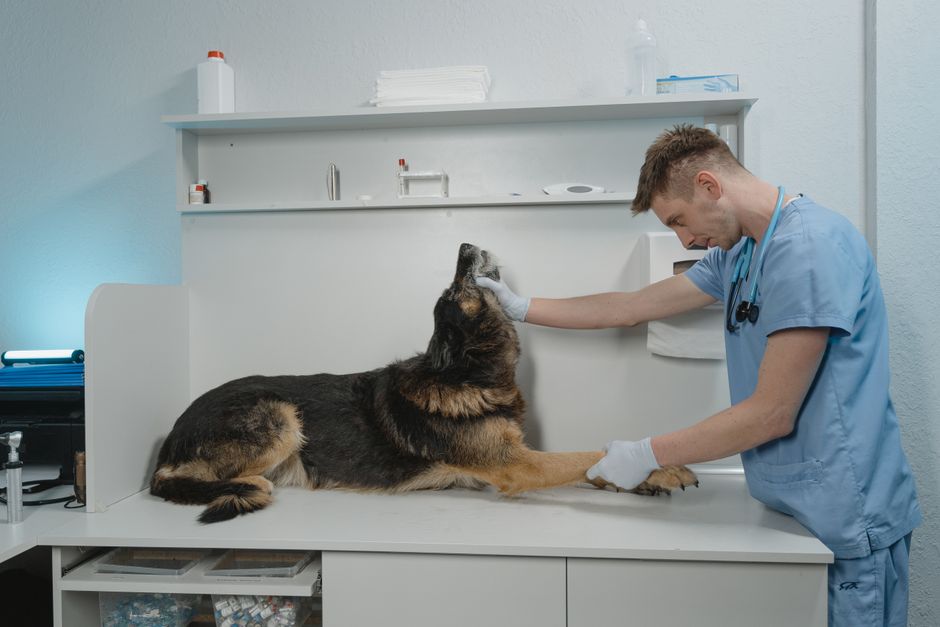
When you bring your pet to Ridgeline Veterinary Clinic for a wellness examination, our veterinarians use a combination of thorough physical exams and advanced diagnostics to detect and address any signs of parasite problems. If fleas or ticks are found, treatment involves safe, effective medications designed to eliminate pests at all life stages. These may be topical treatments, oral medications, or collars that provide ongoing protection. Your veterinarian will recommend the best option based on your pet’s age, lifestyle, and health history.
For heartworm prevention, we recommend year-round use of veterinarian-approved preventives, which are available in chewable, topical, or injectable forms. If your pet has not been on heartworm prevention, a blood test is essential before starting medication to ensure it is safe. Our diagnostic laboratory services allow us to quickly screen for heartworm and other vector-borne diseases, providing peace of mind for pet owners and a prompt start to prevention or treatment as needed.
If a pet does test positive for heartworm, our veterinary professionals will guide you through the treatment process, which may involve a combination of medications, supportive care, and follow-up visits to ensure a safe recovery. For flea or tick infestations, our team may recommend prescription-strength treatments or in-clinic procedures to remove embedded ticks safely. We also offer advice on environmental control to prevent reinfestation, such as treating your home and yard.
Each pet receives a tailored prevention and treatment plan, considering their unique risks and lifestyle. Our veterinarians are committed to making sure every pet in Cathedral City receives the highest standard of care, from diagnosis to ongoing protection.
Preventing Parasites at Home: Actionable Steps for Pet Owners
While veterinary care is essential, there are proactive steps you can take at home to minimize your pet’s risk of encountering parasites this spring. Consistent use of veterinarian-recommended preventives is the cornerstone of effective protection. These products work by interrupting the life cycles of fleas, ticks, and heartworms, ensuring that even if your pet is exposed, the pests cannot gain a foothold.
Maintaining a clean environment is equally important. Regularly washing your pet’s bedding in hot water, vacuuming carpets and furniture, and keeping your yard free of tall grass and brush can significantly reduce the places fleas and ticks can hide. Check your pet’s fur and skin after outdoor activities, especially if you have visited parks or hiking trails. Remove any ticks promptly using a tick removal tool or consult your veterinarian for safe removal techniques.
For those with both dogs and cats, remember that some flea and tick products are species-specific and can be dangerous if used incorrectly. Always consult with your veterinary team before starting any new preventive regimen. Additionally, avoid leaving standing water in your yard to limit mosquito breeding, and keep windows and doors screened to prevent mosquitoes from entering your home.
Scheduling regular wellness examinations is one of the most effective ways to monitor your pet’s health and catch any issues early. These visits allow your veterinarian to assess your pet for any signs of parasites, recommend the best preventive products, and answer any questions you may have about seasonal risks in Cathedral City and surrounding communities.
When to Schedule a Veterinary Visit for Parasite Concerns
If you notice your pet scratching excessively, developing red or irritated skin, losing fur, or showing signs of lethargy or coughing, it is time to schedule an appointment with your veterinarian. Sudden changes in appetite, unexplained weight loss, or visible parasites on the skin or in the stool are also reasons to seek prompt veterinary attention. Heartworm disease, in particular, can progress silently for months or even years before symptoms become severe, so early testing and prevention are crucial.
Regular checkups are the key to staying one step ahead of parasites, especially during spring and summer. Even if your pet appears healthy, routine testing for heartworm and tick-borne diseases is recommended, as early stages of infection often go unnoticed. Our veterinary professionals at Ridgeline Veterinary Clinic are always available to provide guidance, answer your questions, and ensure that your pet receives the care they need.
For additional information about commonly asked questions related to parasite control and preventive care, visit our FAQ page. If you are unsure whether your pet’s symptoms warrant a visit, our experienced team is happy to help you determine the best course of action.
Keeping Your Pet Healthy This Spring: Schedule Your Visit Today
Springtime in Cathedral City is a wonderful season to enjoy the outdoors with your four-legged friends, but it is also the most important time to be vigilant about parasite prevention. By recognizing the signs of flea, tick, and heartworm problems, understanding the risks unique to our region, and working with your veterinarian on a tailored prevention plan, you are giving your pet the best possible chance at a happy, healthy life. Remember, consistent use of preventive products, environmental management, and regular wellness examinations form the foundation of effective parasite control.
If you are searching for a trusted "vet near me" in Cathedral City or you have questions about the right prevention program for your pet, Ridgeline Veterinary Clinic is here to help. Our compassionate veterinary team is dedicated to providing comprehensive care and up-to-date guidance for every family we serve. To schedule an appointment or learn more about parasite prevention this spring, call us at (760) 507-1500 or visit us in person at 68100 Ramon Road Suite A7/8, Cathedral City, CA 92234. Let us partner with you to keep your furry companions safe, comfortable, and parasite-free all season long.
This blog is intended for informational purposes only and should not replace professional veterinary advice. If you have concerns about your pet’s health or parasite prevention, please consult with your veterinarian.