Protecting Your Pet’s Paws From Hot Cathedral City Pavement
Protecting Your Pet’s Paws From Hot Cathedral City Pavement
If you are a pet owner in Cathedral City, you know that summer brings not just sunshine and blue skies, but also soaring temperatures that can quickly turn sidewalks and streets into heat traps. Many dog and cat owners are surprised to learn just how quickly pavement can become dangerously hot, putting their companions at risk for painful paw burns. At Ridgeline Veterinary Clinic, located right here in Cathedral City, CA, our team of veterinarians cares deeply about helping you keep your pets safe and comfortable throughout the hottest months. In this blog, we will explore how to recognize the warning signs of paw burns, why hot pavement poses such a serious risk, the steps you can take to prevent injuries, and what to do if your pet’s paws show signs of trouble. Whether you are headed out for a walk, a jog, or just some backyard playtime, our goal is to help you make smart, safe choices that protect your pet’s health all summer long.
Recognizing Signs of Paw Pad Injury in Dogs and Cats
During the sweltering days of June and July, pet owners often notice their dogs or cats acting differently after being outside. Paw pad injuries from hot pavement are more common than you might think, especially in areas like Cathedral City, where summer temperatures regularly soar above 100 degrees. Recognizing the symptoms early can make a big difference for your pet’s comfort and recovery.
Key signs of paw pad burns or trauma include your pet limping, favoring one foot, or refusing to walk altogether. You might also see your dog or cat licking or chewing their feet excessively. Redness, swelling, and visible blisters on the paw pads are warning signs that heat damage has occurred. In more severe cases, you may notice the surface layer of the pad peeling away, or even bleeding from the affected area. Cats can be especially subtle in showing discomfort, sometimes only withdrawing or hiding after a painful walk on a hot surface. If you observe any of these changes following outdoor activity, it is important to take them seriously and begin evaluating your pet’s paws for injury.
Understanding Why Hot Pavement Burns Happen
Southern California’s beautiful climate comes with unique challenges for pet safety. Cathedral City’s concrete sidewalks, asphalt parking lots, and even decorative pavers can all reach dangerous temperatures in direct sunlight. While the air might feel comfortable in the shade or inside your home, pavement in the sun can become hot enough to cause burns within minutes.
The science behind paw pad burns is straightforward. Materials like asphalt and concrete absorb and retain heat far more efficiently than grass or dirt. On a sunny day when the air temperature is only 85 degrees, sidewalk surfaces can climb to 130 degrees or more. For reference, skin damage can occur in less than a minute when exposed to surfaces above 125 degrees. Unlike humans, pets do not wear shoes and their paw pads are not equipped to handle prolonged contact with such extreme heat. Puppies, kittens, senior pets, and animals with existing paw pad sensitivities are at even greater risk for injury.
Treating Paw Pad Burns and Injuries
If your pet’s paws have been exposed to hot pavement and show signs of injury, prompt action is essential to prevent complications. The first step is to gently rinse the affected paws with cool (not cold) water to soothe discomfort and remove any debris. Avoid using ice or very cold water, as this can cause further tissue damage. It is important to keep your pet from licking or chewing at the injured area; consider using an Elizabethan collar if necessary.
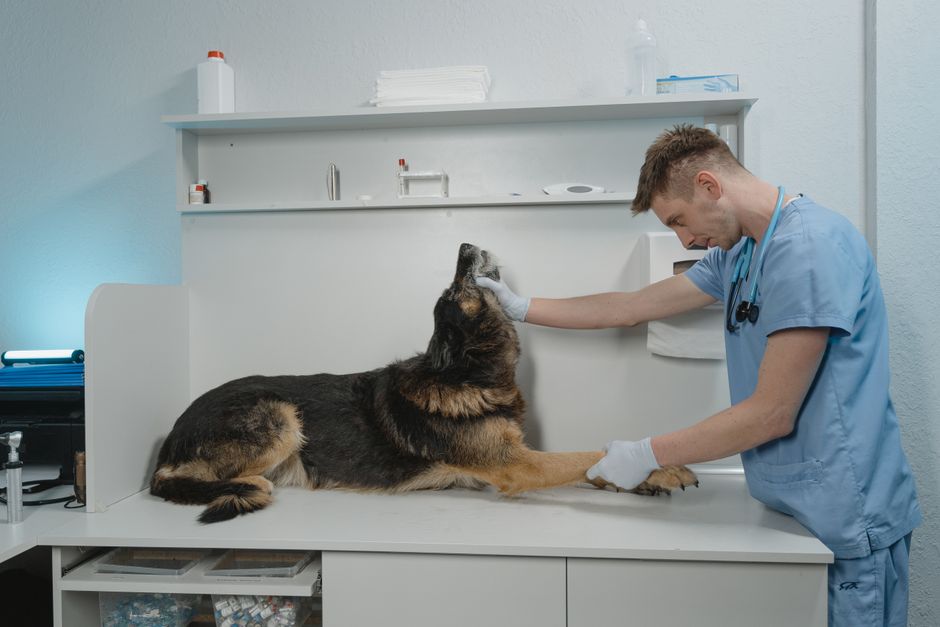
Depending on the severity, superficial burns may heal with at-home care, but deeper burns or wounds that break the skin require professional attention. Your veterinarian may recommend cleaning the wounds, applying topical antibiotics, and prescribing pain relief or anti-inflammatory medications. In some cases, bandaging may be needed to protect the healing paw pads. Always monitor for signs of infection, such as increased redness, swelling, discharge, or a foul odor. If you are unsure about the severity of your pet’s paw injury, scheduling an appointment with our veterinary team at Ridgeline Veterinary Clinic is the safest course of action. Our professionals can thoroughly assess the injury, provide appropriate treatment, and offer advice for ongoing care.
Preventing Paw Pad Burns: Practical Tips for Summer Safety
The good news is that with a few simple adjustments, you can significantly reduce the risk of paw pad burns for your dog or cat during the hottest months in Cathedral City and surrounding communities. Start by planning walks or outdoor activities during the early morning or late evening hours, when pavement is coolest. Before heading outside, use the “seven-second rule” by placing the back of your hand on the pavement; if you cannot comfortably hold it there for seven seconds, it is too hot for your pet’s paws.
Encourage playtime in grassy or shaded areas, and avoid blacktop, concrete, or sand during peak sun hours. For pets that must walk on pavement, consider protective booties, which offer a physical barrier against heat and rough surfaces. Check your pet’s paws daily for signs of dryness, cracking, or injury, and keep the pads moisturized with pet-safe balms. Remember that even quick trips outside for bathroom breaks can expose your pet to hot surfaces, so carry them over pavement whenever possible, especially for small dogs or cats. Always provide access to fresh water and plenty of shade to help regulate your pet’s body temperature and overall comfort.
When to Seek Help From Your Veterinarian
While minor paw pad irritation can sometimes be managed at home, certain situations require prompt veterinary attention. If your pet is limping persistently, refusing to put weight on a foot, or if you notice deep wounds, blisters, or signs of infection, contact Ridgeline Veterinary Clinic as soon as possible. Severe burns can lead to complications such as infection or chronic pain if not properly treated. Likewise, if your pet is in obvious distress, panting excessively, or showing changes in behavior after walking on hot surfaces, do not delay in reaching out for professional support.
Even if you are unsure whether a paw injury warrants a visit, our team is always here to answer your questions and offer guidance. Early intervention can make a world of difference in your pet’s recovery, and our commitment is to ensure every animal receives the care and comfort they need. For non-urgent concerns, we recommend scheduling a routine checkup so our veterinarians can thoroughly evaluate your pet’s paws and overall health.
Keeping Your Pet’s Paws Safe All Summer Long
Summer in Cathedral City brings plenty of opportunities for fun and adventure, but also poses real risks for your pet’s sensitive paws. By staying alert to the warning signs of heat-related injuries, understanding why pavement becomes so dangerous, and taking proactive steps to protect your dog or cat, you can enjoy the season together without worry. Our team at Ridgeline Veterinary Clinic is dedicated to helping you keep your companion healthy, happy, and safe throughout the year.
If you have questions about paw pad health, would like to schedule a preventive visit, or need advice on summer safety for your pet, we invite you to contact our friendly veterinary team. You can easily schedule an appointment by calling (760) 507-1500 or by visiting us at our convenient Cathedral City, CA location. For those searching for a trusted "vet near me," Ridgeline Veterinary Clinic is proud to serve Cathedral City and the surrounding area with compassionate, expert care. Let us partner with you in keeping your pet’s paws—and their whole body—comfortable and well-protected all summer long.
This blog is intended for informational purposes only and should not replace professional veterinary advice. If your pet is experiencing symptoms of paw injury or distress, contact a licensed veterinarian promptly.