Desert Pet Hydration Tips for May in Cathedral City
Desert Pet Hydration Tips for May in Cathedral City
As the temperatures rise in Cathedral City and the surrounding Coachella Valley communities, keeping your dog or cat hydrated becomes more important than ever. May brings not only beautiful sunny days, but also the kind of dry, desert heat that can quickly lead to dehydration in pets. At Ridgeline Veterinary Clinic, located at 68100 Ramon Road Suite A7/8, Cathedral City, CA 92234, we understand how challenging it can be to keep your furry family members cool and comfortable as the weather heats up. This blog offers practical advice on recognizing the signs of dehydration in your pets, the reasons it happens so quickly in our desert climate, how to help your pet stay hydrated, and when it is time to seek veterinary care. Whether you are a lifelong Cathedral City resident or new to desert life, these tips can help you keep your beloved pets safe and healthy all season long.
Recognizing Signs of Dehydration in Dogs and Cats
Understanding when your pet may be at risk of dehydration is essential for every pet owner, especially during the hot spring and summer months. Dogs and cats do not sweat the way humans do; instead, they rely on panting or grooming to regulate body temperature, making them more vulnerable to fluid loss. Key symptoms of dehydration in pets include sticky or tacky gums, sunken eyes, lethargy, and an overall lack of energy. You may also notice your dog or cat is reluctant to eat, has a dry nose, or exhibits a decrease in skin elasticity; gently lift the skin at the back of your pet’s neck—if it does not snap back quickly, dehydration may be present.
Other warning signs to watch for are excessive panting in dogs, rapid heart rate, and, in severe cases, vomiting or diarrhea. Cats, in particular, can be adept at hiding subtle changes, so be alert for any changes in grooming habits or urination patterns. If your pet seems unusually quiet, is hiding more than usual, or is not interested in water, these can also be signs that something is wrong. Early detection is crucial, as dehydration can progress rapidly in the desert environment.
Why Dehydration Happens So Quickly in Cathedral City
The arid climate of Cathedral City creates a unique set of challenges for pet hydration. With humidity often low and temperatures soaring well before summer officially arrives, water evaporates quickly from your pet’s body through panting, respiration, and even the pads of their paws. Pets who spend time outdoors are at a higher risk, but even indoor animals are not exempt from the effects of dry air and rising temperatures.
Several factors contribute to dehydration in dogs and cats. High activity levels, such as playing fetch in the yard or chasing a favorite toy around the house, increase fluid loss. Young puppies and kittens, senior pets, and those with chronic health conditions are particularly susceptible. In addition, some pets may avoid drinking water if their bowl is dirty, if the water is not fresh, or if their bowl is placed in a hot, sunny location.
The presence of air conditioning can make dehydration less obvious, as pets may feel cooler but still lose moisture through increased respiration. Additionally, certain medical conditions like kidney disease, diabetes, or gastrointestinal issues can increase the risk of dehydration. If your pet has been ill recently, is recovering from surgery, or is on medications that increase urination, be especially vigilant about their hydration status.
Professional Treatment and Management of Dehydration
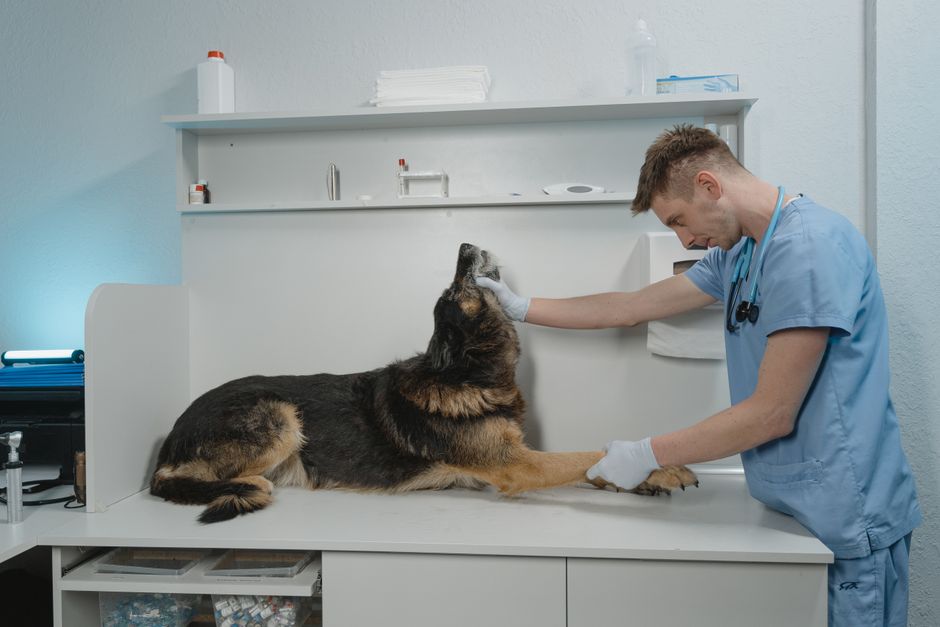
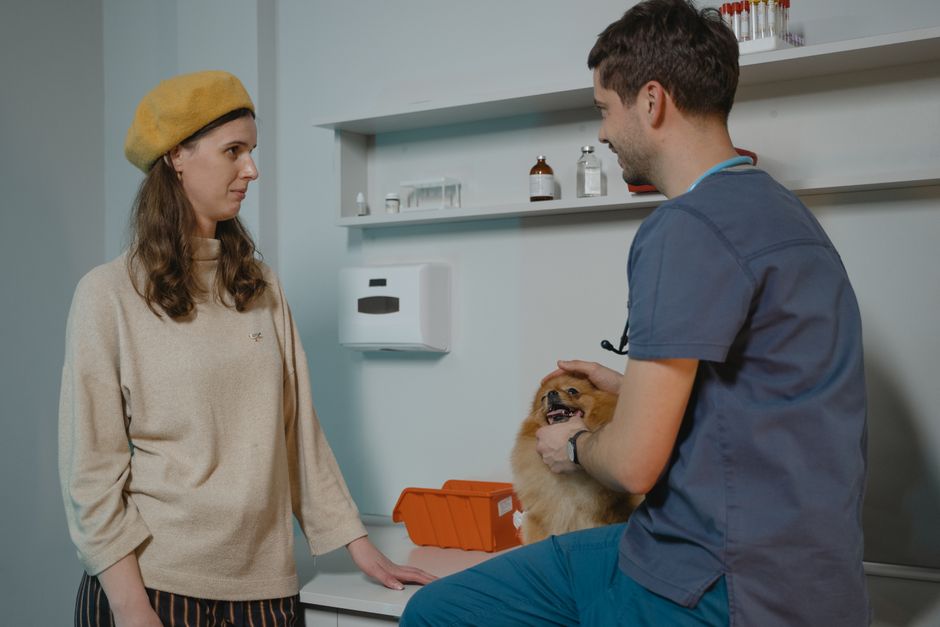
If you suspect your pet is dehydrated, prompt action is vital. Mild cases may be managed at home, but moderate to severe dehydration requires professional veterinary intervention. At Ridgeline Veterinary Clinic, our team of veterinarians is experienced in diagnosing and treating dehydration in both dogs and cats. During a comprehensive exam, we will assess your pet’s hydration status, check for underlying causes, and recommend appropriate diagnostic tests. You can learn more about our veterinary wellness examinations in Cathedral City to see how regular visits help catch subtle health changes early.
Treatment for dehydration often involves rehydrating your pet with fluids. For mild cases, your veterinarian may advise offering small, frequent amounts of water and monitoring your pet closely at home. In more severe situations, we may administer fluids under the skin (subcutaneously) or directly into the vein (intravenously) to rapidly restore hydration and electrolyte balance. We also investigate and treat any underlying issues, such as infections, gastrointestinal upsets, or metabolic diseases.
Throughout the process, our veterinary team provides ongoing support and guidance, helping you understand the best steps for your pet’s recovery. We recommend following all post-treatment instructions, which may include dietary adjustments, medication, or additional follow-up visits to monitor progress. For pets with chronic illnesses or those recovering from surgery, we tailor hydration plans to meet their specific needs.
How to Prevent Dehydration at Home
Prevention is always preferable to treatment, especially when it comes to keeping your pet hydrated in Cathedral City’s desert climate. Ensuring your pet has constant access to fresh, clean water is the first and most important step. Change your pet’s water frequently throughout the day, and wash their bowl daily to encourage drinking. Some cats and dogs prefer running water, so consider using a pet water fountain to entice them to drink more.
During hot weather, limit outdoor exercise to early morning or late evening when temperatures are cooler. When your pet is outside, provide plenty of shade and consider setting up a shallow kiddie pool for dogs who enjoy a splash. Indoors, keep water bowls in easily accessible, cool areas, and avoid placing them near heat sources or in direct sunlight.
For pets on dry kibble diets, you can increase their water intake by offering wet food or mixing a little water with their meals. Ice cubes can be a fun treat for dogs, and some cats enjoy licking them as well. If you notice that your pet is not drinking enough, try flavoring their water with a splash of low-sodium chicken broth, but always consult your veterinarian before making changes to their diet.
Regular checkups help ensure that your pet remains healthy and hydrated. Routine wellness exams, such as those available at Ridgeline Veterinary Clinic, can identify early signs of dehydration and related health concerns. To understand more about the importance of preventive care, explore our comprehensive pet exam services.
When to Seek Veterinary Care for Dehydration
While mild thirst can often be managed at home, there are times when professional veterinary care is essential. If your pet is refusing water, vomiting, having diarrhea, or showing signs of weakness, these are clear indicators that dehydration may be severe. Additional warning signs include persistent panting, dry gums, sunken eyes, or a rapid decline in energy. In these cases, do not delay seeking help; dehydration can become life-threatening very quickly in pets, especially in the desert heat.
Pets with chronic health issues, very young or elderly animals, and those who have recently undergone surgery should be monitored closely for any changes in behavior or appetite. If you are ever unsure whether your pet needs veterinary attention, it is always better to err on the side of caution and schedule an appointment with our veterinary team.
Our clinic is dedicated to providing local pet owners with timely, compassionate care when they need it most. We also encourage you to read our blog on protecting pets from heatstroke in Cathedral City's May warmth, which covers additional steps you can take to safeguard your pet during the hottest months of the year.
Keeping Your Pet Safe and Hydrated All Season Long
As May brings rising temperatures to Cathedral City and the surrounding area, making hydration a top priority for your dog or cat will help them stay healthy and comfortable. By recognizing early signs of dehydration, understanding the unique challenges of our desert climate, and following practical prevention strategies, you can minimize the risks to your pet’s wellbeing. Remember that regular veterinary checkups are essential for monitoring your pet’s health and catching subtle changes before they become serious.
If you have any concerns about your pet’s hydration or need advice tailored to your individual situation, our team at Ridgeline Veterinary Clinic is here to help. Scheduling a wellness examination is the best way to ensure your pet is ready for the hotter months ahead. For pet owners searching for a "vet near me" who provides attentive, high-quality care, our clinic is committed to serving Cathedral City and neighboring communities with compassion and expertise.
To schedule an appointment or ask questions about hydration and heat safety, contact our veterinary team at (760) 507-1500 or visit us at 68100 Ramon Road Suite A7/8, Cathedral City, CA 92234. We look forward to helping you keep your pets cool, hydrated, and thriving throughout the desert season.
This blog is intended for informational purposes only and should not replace professional veterinary advice. If your pet is experiencing signs of dehydration or other health concerns, please consult your veterinarian promptly.