How to Keep Pets Safe From Desert Pests in May
How to Keep Pets Safe From Desert Pests in May
As temperatures climb in Cathedral City, pet owners know the desert’s unique wildlife is waking up too. Each spring, as the Coachella Valley sun intensifies, snakes, scorpions, and insects become more active, bringing new challenges for keeping your dog or cat safe. At Ridgeline Veterinary Clinic, our team of veterinarians understands how quickly a fun backyard exploration or evening walk can turn risky when desert pests are around. If you have ever searched for advice on protecting your pet from these dangers, you are not alone. In this guide, we will explore which pests pose the greatest risks, how to recognize trouble, and what steps you can take to keep your pets healthy and safe this May. Our full-service veterinary hospital at 68100 Ramon Road Suite A7/8, Cathedral City, CA 92234 is here to help you navigate the desert’s challenges, from preventive care to prompt treatment when needed. Whether you are concerned about rattlesnake encounters, scorpion stings, or pesky fleas, we are here with practical tips and local expertise.
Recognizing When Desert Pests Are a Risk for Your Pet
Desert pests can pose threats to both indoor and outdoor pets, especially as the weather heats up and wildlife becomes more active. Dogs and cats that spend time in yards, on walks, or even peering under patio furniture can encounter pests like rattlesnakes, scorpions, spiders, and stinging insects. Signs that your pet may have tangled with a desert pest include sudden pain, swelling, limping, yelping, drooling, or excessive grooming of a specific area. Cats may hide or become unusually quiet, while dogs might paw at their face or limp after exploring brush or rocky areas. If your pet starts vomiting, develops hives, or experiences difficulty breathing, these are warning signs that require immediate attention. Even pets that never leave the house can be at risk if insects, spiders, or scorpions make their way inside. Early recognition of trouble is the first step in protecting your companions from the dangers that desert pests bring as May unfolds.
What Makes May a Risky Month for Desert Pests in Cathedral City?
May marks the beginning of peak activity for many of the desert’s most dangerous pests. As temperatures rise, rattlesnakes emerge from hibernation, seeking warmth on trails, rocks, and even neighborhood sidewalks after dark. Scorpions, particularly the bark scorpion, become more active in the evenings, hiding under debris, planters, or inside garages. Insects like ants, fleas, and ticks multiply quickly with the shift to warmer weather, and spiders such as the black widow or brown recluse seek cool hiding places near homes. Desert environments also harbor unique pests like centipedes and blister beetles, which can cause irritation or more severe reactions if a curious pet investigates. The increased presence of these pests means that routine activities, from letting your dog out after sundown to allowing your cat some supervised garden time, require a little more vigilance. Understanding the local pest calendar can help you anticipate risks and prepare your home and yard against unwanted encounters that could threaten your pet’s health.
What to Do if Your Pet Is Bitten or Stung
If you suspect your pet has been bitten or stung by a desert pest, staying calm and acting quickly makes all the difference. Immediate symptoms to watch for include swelling at the bite or sting site, sudden pain or distress, drooling, vomiting, pale gums, weakness, or collapse. For rattlesnake bites, you may see rapid, severe swelling, bleeding, or intense pain near the wound. Scorpion stings often cause localized pain, agitation, and sometimes muscle tremors. Bee or wasp stings can trigger swelling, hives, or in rare cases, anaphylactic reactions. If you notice any of these signs, it is critical to seek veterinary care right away, as some bites and stings can become life-threatening rapidly. While minor insect stings may result in mild swelling or discomfort, desert species can cause unpredictable reactions. Our veterinary team at Ridgeline Veterinary Clinic is equipped to assess your pet, provide pain relief, administer antivenom if needed, and monitor for complications. If you are unsure whether a sting or bite is serious, err on the side of caution and call your veterinarian for guidance.
How Ridgeline Veterinary Clinic Diagnoses and Treats Desert Pest Injuries
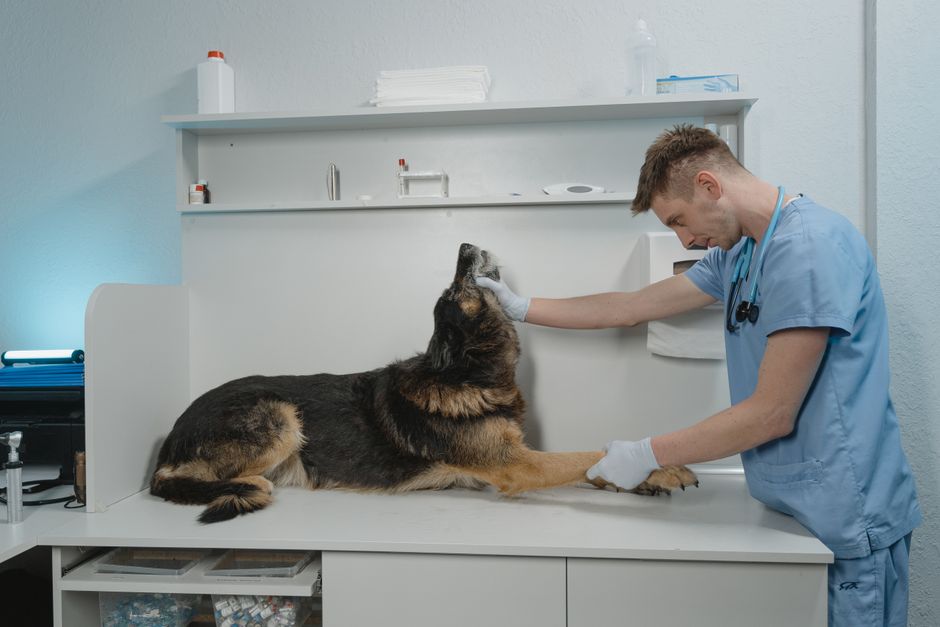
When you bring your pet to Ridgeline Veterinary Clinic after a suspected bite or sting, our veterinarians begin with a thorough physical examination. We assess your pet’s vital signs, check for evidence of venomous injury, and may recommend diagnostic testing such as bloodwork or imaging if the situation is complex. For rattlesnake bites, treatment often involves antivenom administration, intravenous fluids, and pain management. Scorpion stings and spider bites are managed based on the severity of symptoms and may require medications to control pain, inflammation, or allergic reactions. For insect stings, we carefully monitor for signs of systemic reactions and provide antihistamines or supportive care as appropriate. Our advanced diagnostic laboratory and veterinary ultrasound services in Cathedral City allow us to quickly evaluate internal injuries or complications. The goal is always to stabilize your pet, reduce pain, and prevent long-term effects from venom or allergic responses. Every treatment plan is tailored to your pet’s needs and the specifics of the encounter.
Preventing Desert Pest Encounters at Home
While the desert’s wildlife is part of what makes our region unique, pet owners can take several practical steps to reduce the risk of dangerous encounters. Keep your yard tidy by removing brush piles, wood, and debris where snakes and scorpions like to hide. Inspect outdoor spaces before letting your dog or cat out, especially in the early morning or evening when pests are most active. Ensure window screens, door sweeps, and garage doors are in good repair to keep insects and scorpions from sneaking inside. Supervise pets closely during walks, using a short leash for dogs, and discourage exploring under rocks, bushes, or patio furniture. For cats, consider creating a screened outdoor enclosure or “catio” to allow safe outdoor time without direct exposure to pests. Insect control is also important; ask your veterinarian about safe flea and tick preventives suitable for your pet. Regular wellness examinations help ensure that your pet is healthy, up to date on vaccinations, and protected against common diseases that can be carried by insects. Educating family members about local wildlife hazards and teaching children not to disturb unknown critters can further protect both pets and people.
When to Contact Your Veterinarian
Some desert pest encounters require prompt veterinary attention, while others can be managed at home with monitoring. You should contact your veterinarian immediately if your pet is bitten by a snake, stung by a scorpion or spider and shows signs of pain, swelling, vomiting, difficulty breathing, or collapse. Rapid swelling, pale gums, or sudden behavioral changes after outdoor activity are all reasons to seek help without delay. For mild insect stings, if swelling or discomfort persists beyond a day or two, or if your pet seems unusually lethargic, a veterinary exam is warranted. Our team at Ridgeline Veterinary Clinic is available during regular business hours to provide guidance, answer your questions, and recommend next steps. If you are unsure whether your pet’s symptoms are serious, it is always safer to schedule a consultation and let our experienced veterinary professionals assess the situation. Remember, many desert pests can cause delayed reactions, so even if your pet seems fine at first, monitoring for several hours is advised.
Keeping Your Pet Healthy for a Desert Summer
Living in Cathedral City means sharing space with a remarkable variety of wildlife, but a few precautions and regular veterinary care can help your pets thrive despite the risks. Making preventive care a priority, such as scheduling routine exams and staying current with vaccination services, will help ensure your dog or cat is as healthy and resilient as possible. If you are curious about additional ways to protect your pet from the desert’s unique challenges, our veterinary team is happy to provide personalized recommendations based on your home’s location and your pet’s habits. Together, we can help your companions stay safe, active, and happy all summer long.
Your Local Partner for Pet Safety in Cathedral City
Navigating the desert’s hazards does not have to be stressful when you have a trusted veterinary partner by your side. At Ridgeline Veterinary Clinic, we are committed to supporting pet owners throughout Cathedral City and surrounding communities with practical advice and compassionate care. If you have questions about desert pests, have noticed concerning symptoms in your dog or cat, or simply want to make sure your pet is ready for summer, our team of veterinarians is here to help. Schedule an appointment today by calling (760) 507-1500 or visiting our hospital at 68100 Ramon Road Suite A7/8, Cathedral City, CA 92234. For anyone searching for a veterinarian near me, Ridgeline Veterinary Clinic is proud to be your local resource for pet health and safety. If your pet encounters a desert pest or if you just want peace of mind, we are here to provide the care and guidance you need for a safe, happy May.
This blog is intended for educational purposes only and is not a substitute for professional veterinary care. If your pet is experiencing an emergency, contact your veterinarian immediately.