September Dental Care Tips for Dogs and Cats
September Dental Care Tips for Dogs and Cats
As the desert heat lingers into September in Cathedral City, many pet owners begin to notice that their dog or cat’s breath seems to worsen. You might also observe your pet pawing at their mouth, refusing their favorite chew toy, or eating less enthusiastically than usual. These are more than just minor annoyances; they could signal the early stages of dental disease. At Ridgeline Veterinary Clinic, located at 68100 Ramon Road Suite A7/8, Cathedral City, CA 92234, our veterinary team sees a significant uptick in dental concerns as summer ends. That makes September an ideal time to focus on your pet’s oral health. In this post, we’ll explore why dental care is so important for dogs and cats, what signs to watch for, how the desert climate can impact oral health, and practical tips you can use at home. We’ll also explain how our comprehensive dental services—ranging from dog and cat teeth cleanings in Cathedral City to dental radiographs and surgery—can help keep your pet’s smile bright and healthy year-round.
Recognizing Dental Problems in Your Dog or Cat
Dental disease in pets often goes unnoticed until it becomes advanced. Many pet owners are surprised to learn that by age three, most dogs and cats have some degree of dental disease. Early warning signs are subtle but important. Common symptoms include persistent bad breath, yellow or brown buildup on the teeth, red or swollen gums, and reluctance to chew hard food or toys. You might also notice your pet dropping food from their mouth, favoring one side when chewing, or even vocalizing when they eat. In more serious cases, there may be visible swelling around the jaw or face, loose teeth, or bleeding from the mouth. These signs often develop slowly, so it’s easy to overlook them until your pet is in discomfort.
Behavioral changes can also be significant indicators. If your usually playful dog is suddenly irritable, or your cat hides more than usual, oral pain could be the culprit. Bad breath is one of the first things pet owners notice, especially in the hot, dry climate of Cathedral City where dehydration and increased panting can make odors more pronounced. Keeping an eye—and nose—out for these changes can help you intervene before dental disease progresses.
Why Do Dental Issues Develop in Pets?
Dental disease in dogs and cats is primarily caused by the gradual buildup of plaque, which hardens into tartar if not removed. Plaque is a sticky film of bacteria that forms on the teeth after eating. If left untreated, it leads to inflammation of the gums (gingivitis) and eventually to more severe problems like periodontal disease, tooth loss, and even infections that can spread to internal organs.
Several factors increase your pet’s risk. Diet plays a considerable role; pets who eat mostly soft or wet food tend to accumulate more plaque than those who regularly chew on appropriate dental treats or toys. Small dog breeds and certain cats are more prone to dental issues due to tooth alignment and mouth shape. Age is another contributor, as older pets are more likely to have established dental disease. Genetics, underlying health conditions like diabetes, and even the unique environmental conditions in Cathedral City—including dry air and less moisture to help wash away bacteria—can influence your pet’s oral health.
These factors highlight why regular wellness examinations and professional dental evaluations are essential. By understanding what causes dental problems and the risk factors involved, you are better equipped to protect your pet’s long-term health.
Professional Dental Care Options at Ridgeline Veterinary Clinic
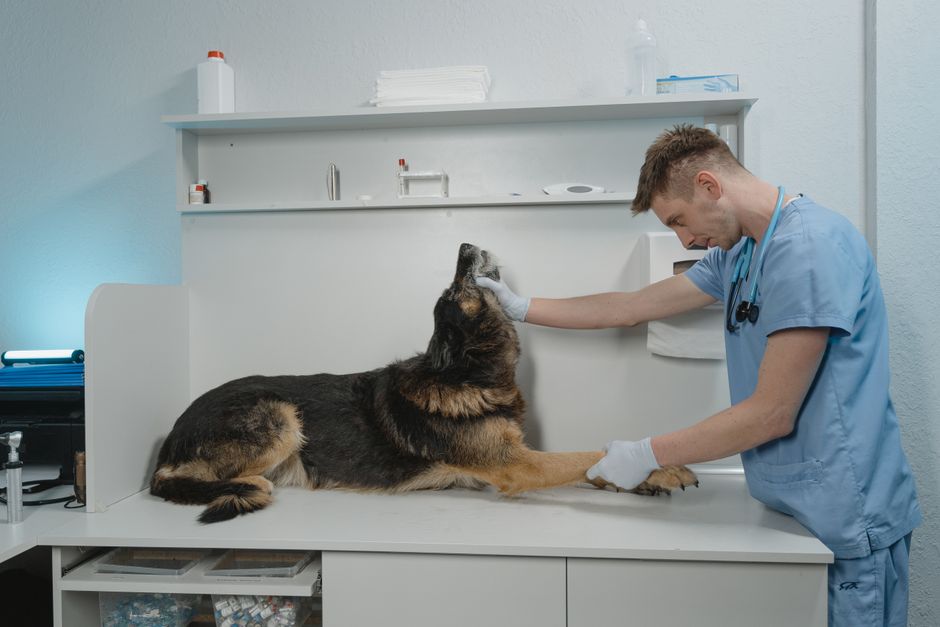
When it comes to treating dental disease in dogs and cats, professional veterinary care is crucial. At Ridgeline Veterinary Clinic, we offer a comprehensive range of dental services designed to address every stage of oral health—from prevention to advanced treatment. During a dental examination, our veterinary team will carefully assess your pet’s teeth and gums, looking for signs of plaque, tartar, gingivitis, and any loose or damaged teeth.
If a dental cleaning is recommended, we use safe anesthesia so your pet is comfortable and pain-free throughout the procedure. Our dog and cat teeth cleanings in Cathedral City include scaling to remove tartar above and below the gumline, polishing to smooth the tooth surface, and a thorough oral exam. For pets who are not candidates for anesthesia, we also offer non-anesthetic dental cleanings in appropriate situations, always prioritizing your pet’s safety and overall health.
Sometimes, dental radiographs are necessary to evaluate issues below the gumline or to assess the roots of teeth that appear damaged or infected. Our dental radiography services provide a detailed view, allowing us to identify problems that would otherwise remain hidden. In cases where extraction is needed, our skilled veterinarians perform veterinary tooth extractions in Cathedral City with precision and compassion, ensuring your pet’s comfort during and after the procedure.
Advanced cases may require dental surgery, which we perform using state-of-the-art equipment and safety protocols. Our goal is always to relieve pain, restore function, and help your pet return to a happier, healthier life as quickly as possible.
At-Home Dental Care: Steps You Can Take Every Day
While professional dental care is essential, what you do at home makes a significant difference in your pet’s oral health. Brushing your dog or cat’s teeth regularly is the gold standard for at-home care. Using a pet-safe toothbrush and toothpaste, gently brush the outer surfaces of their teeth daily or as often as your schedule allows. If your pet is new to tooth brushing, start slowly, offering praise and treats for cooperation. Over time, many pets come to accept this routine as part of their daily care.
In addition to brushing, dental chews, toys, and certain dental diets can help reduce plaque buildup. Look for products approved by the Veterinary Oral Health Council (VOHC), which meet strict standards for effectiveness. Offering your pet safe, appropriate chews provides both dental benefits and mental enrichment.
Water additives and oral rinses are also available, but consult your veterinarian before introducing new products to your pet’s routine. Regularly inspect your pet’s mouth for changes in breath odor, gum color, or the appearance of their teeth. Early detection is key to preventing more serious problems.
It’s important to remember that every pet is unique. Some dogs and cats will need more frequent professional cleanings due to their breed, age, or underlying health. Keeping up with annual wellness examinations allows our veterinary team to monitor your pet’s oral health and provide personalized recommendations based on their individual needs.
When Should You Schedule a Dental Checkup?
Knowing when to seek veterinary dental care can be the difference between a simple cleaning and more intensive procedures. You should schedule an appointment at Ridgeline Veterinary Clinic if you notice any of the following: persistent bad breath, visible tartar or discoloration, red or swollen gums, loose or broken teeth, bleeding from the mouth, or changes in your pet’s eating habits. These signs often mean that dental disease has progressed beyond what at-home care can manage.
Even if your pet appears comfortable, annual dental checkups are a critical part of preventive care. Early intervention can prevent discomfort, tooth loss, and more serious complications. In the arid climate of Cathedral City, pets are at increased risk for dehydration, which can exacerbate dental issues. Scheduling a dental examination each September is a proactive way to ensure your pet starts the fall season with a healthy mouth and a bright smile.
If you are unsure whether your pet needs a dental cleaning or have questions about their oral health, our veterinary team is always happy to help. Simply call (760) 507-1500 to discuss your concerns or to schedule a comprehensive dental evaluation.
Why September Is the Perfect Month for Pet Dental Care in Cathedral City
September marks the end of the hottest months in Cathedral City, but lingering heat and dryness can still impact your pet’s oral health. High temperatures often lead to increased panting, which dries out the mouth and makes it harder for saliva to naturally cleanse the teeth. As a result, plaque and bacteria build up more quickly, leading to bad breath and higher risk for dental disease.
After a busy summer, September is an excellent time to refocus on your pet’s health routines—especially oral care. School schedules resume, daily routines settle, and many pet owners find it easier to establish consistent habits, including brushing their pet’s teeth or scheduling overdue veterinary visits. Our team at Ridgeline Veterinary Clinic is here to help you get your pet’s dental health back on track with compassionate, expert care tailored to your dog or cat’s needs.
Your Local Partner for Pet Dental Health
Dental care is one of the most important investments you can make in your pet’s long-term health. By staying vigilant for early signs of dental disease, understanding the causes, and taking practical steps at home, you can help prevent serious problems before they start. Professional cleanings, dental radiographs, and advanced treatments are all available at Ridgeline Veterinary Clinic, where your pet’s comfort and safety are our top priority.
If you are searching for a "vet near me" in Cathedral City or surrounding communities, our veterinary team is here to support you and your pet every step of the way. Ready to schedule a dental checkup or have questions about at-home care? Call (760) 507-1500 or visit us at 68100 Ramon Road Suite A7/8, Cathedral City, CA 92234 to set up an appointment. For more information on professional cleanings, explore our dog and cat teeth cleaning services in Cathedral City. Your pet’s healthy smile starts here—with Ridgeline Veterinary Clinic’s commitment to exceptional care and lifelong wellness.