October Pet Allergies: Helping Cats and Dogs in Cathedral City
October Pet Allergies: Helping Cats and Dogs in Cathedral City
As autumn settles into Cathedral City, many pet owners notice their cats or dogs scratching, sneezing, or licking their paws more than usual. While fall brings cooler temperatures and beautiful desert evenings, it also ushers in a unique set of allergy triggers for our furry companions. If your pet is suddenly uncomfortable this October, you are not alone—seasonal allergies are a common concern for dogs and cats in the Coachella Valley. At Ridgeline Veterinary Clinic, located at 68100 Ramon Road Suite A7/8, Cathedral City, CA 92234, our team of veterinarians is dedicated to helping pets and their families find lasting relief from fall allergies. In this guide, we will explore the signs of October pet allergies, common causes in our region, available treatment options, prevention strategies, and when to seek veterinary care. Whether you are searching for practical tips or wondering if your pet needs a professional evaluation, Ridgeline Veterinary Clinic is here to support you every step of the way.
Recognizing Pet Allergy Symptoms in October
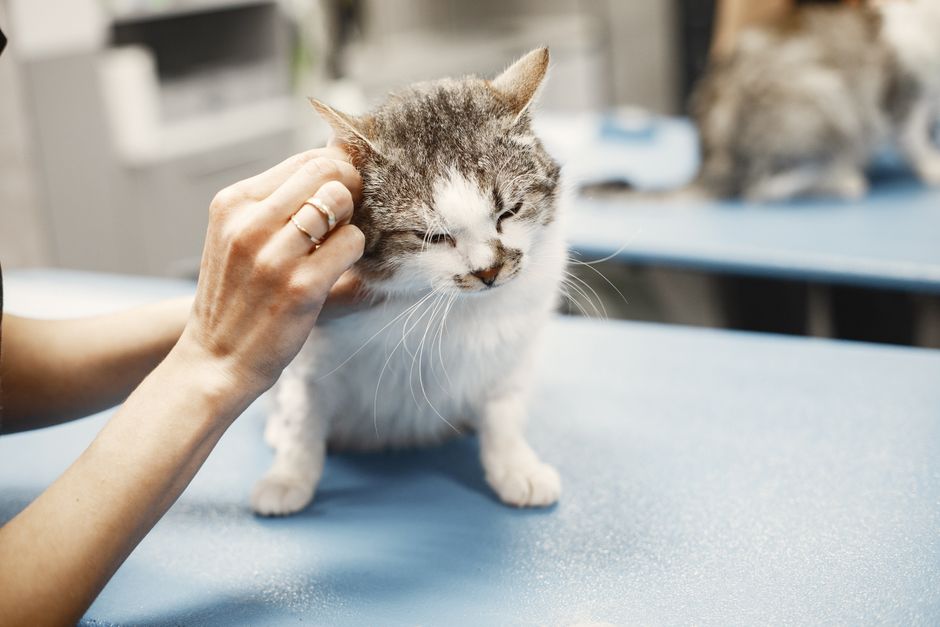
Identifying allergies in cats and dogs is not always straightforward. Unlike humans, pets often express discomfort through skin and behavior changes rather than obvious sneezing or watery eyes. During October, you might notice your pet scratching more frequently, licking or chewing their paws, rubbing their face against furniture, or experiencing hair loss in certain areas. Other signs can include red or inflamed skin, ear infections, a musty odor, or even small scabs along the back or tail. Some dogs and cats will develop respiratory symptoms such as sneezing, coughing, or watery eyes, though these are less common than skin-related complaints.
In the home, you may find clumps of fur on your pet’s bedding or see them waking up in the night to scratch. If your cat is suddenly over-grooming or your dog seems restless, these can be subtle hints of an underlying allergy. Seasonal allergies can also present with secondary issues like hot spots or chronic ear infections, which tend to flare up when environmental allergens are high. If you notice any of these symptoms persisting for more than a week, it is time to consider a veterinary evaluation to determine if allergies are to blame.
What Causes Pet Allergies in Cathedral City’s Fall Season?
The desert climate of Cathedral City shapes the types of allergens your pet may encounter each fall. October is marked by warm, dry days and cooler nights, which can trigger a spike in certain environmental allergens. Common culprits include dust, mold spores released after late summer rains, pollen from desert plants, and even the fine sand that becomes airborne during windy periods. The dry air can also irritate your pet’s skin, making them more susceptible to allergens that might otherwise go unnoticed.
In addition to outdoor triggers, indoor allergens such as dust mites, household cleaning products, and even certain types of pet bedding can contribute to your cat or dog’s discomfort. Pets who spend more time inside as the evenings grow cooler may have increased exposure to these indoor irritants. For many animals, allergies are the result of a combination of genetic predisposition and environmental exposure. Some breeds, such as retrievers, terriers, and certain cats, are more prone to developing allergic reactions during seasonal changes.
Understanding the specific causes of your pet’s allergies often requires a thorough history and sometimes diagnostic testing. At Ridgeline Veterinary Clinic, we use our diagnostic laboratory services to help identify underlying allergy triggers and rule out other conditions that may mimic allergy symptoms, such as skin infections or parasites.
Professional Treatment Options for Fall Pet Allergies
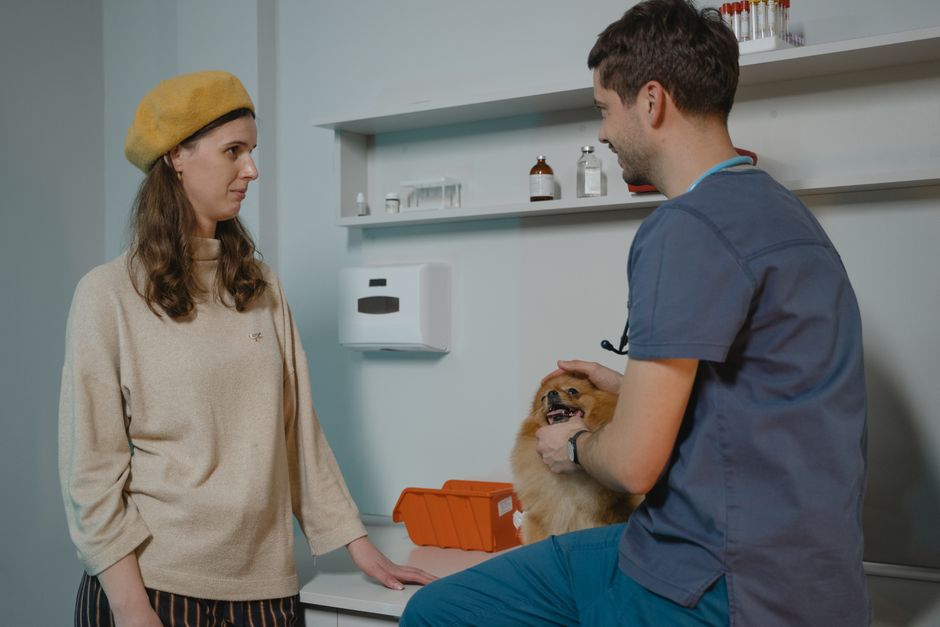
When your cat or dog is suffering from allergies, effective relief often begins with a comprehensive evaluation by a veterinary professional. At Ridgeline Veterinary Clinic, our approach to allergy management starts with a veterinary wellness examination. During this visit, our veterinarians will assess your pet’s overall health, review their history, and discuss the specific symptoms you have observed. We may recommend skin or blood tests to help pinpoint the exact allergens affecting your pet.
Treatment options for October allergies in cats and dogs involve a combination of environmental management and medical therapy. Antihistamines or prescription medications may be used to reduce itching and inflammation, while topical treatments such as medicated shampoos or sprays can soothe irritated skin. In some cases, allergy injections or immunotherapy are recommended for pets with persistent or severe symptoms.
For pets with secondary infections, antibiotics or antifungal medications may be necessary to resolve skin or ear issues. Our veterinary team will tailor a treatment plan that addresses your pet’s unique needs, considering their age, breed, and lifestyle. Throughout the process, we prioritize your pet’s comfort and long-term wellbeing, adjusting treatment as needed to achieve the best possible outcome.
Home Care and Prevention Strategies for Pet Allergies
While professional care is important for managing moderate or severe allergies, there are several steps pet owners can take at home to help minimize symptoms and prevent flare-ups. Regular bathing with a gentle, veterinarian-recommended shampoo can help remove allergens from your pet’s coat and soothe dry, itchy skin. Wiping your dog’s paws after walks, especially when outdoor pollen or dust levels are high, can reduce the amount of irritants brought into the home.
Keeping your living space clean is another key step. Vacuuming carpets and furniture frequently, washing pet bedding in hot water, and using air purifiers with HEPA filters can help decrease indoor allergen levels. For pets sensitive to certain cleaning products, opting for fragrance-free or hypoallergenic options may make a noticeable difference. Maintaining a healthy diet with proper hydration supports your pet’s skin barrier and immune system, enabling them to better resist environmental stressors.
If your cat or dog has known food sensitivities, continuing to avoid those ingredients is important, as food allergies can sometimes overlap with seasonal allergies. Your veterinarian can offer guidance on appropriate diets or supplements that may help reduce inflammation and itching.
When Should You Seek Veterinary Help for Your Pet’s Allergies?
While mild itching or occasional sneezing may not require immediate intervention, there are situations where professional veterinary care is essential. If your pet’s symptoms are severe, persistent, or accompanied by open sores, hair loss, or signs of pain, it is time to schedule an appointment. Chronic ear infections, repeated licking or chewing leading to wounds, or any changes in appetite or behavior should also prompt a visit to the veterinarian.
Some pets develop secondary skin infections or hot spots that can worsen quickly without treatment. Allergies that interfere with your pet’s sleep, appetite, or quality of life deserve prompt attention to prevent complications and ensure comfort. At Ridgeline Veterinary Clinic, our team of veterinarians is experienced in diagnosing and treating a wide range of allergy-related conditions. Through a comprehensive pet exam and access to in-house diagnostic laboratory services, we are well equipped to help you find answers and relief for your cat or dog.
Supporting Your Cat or Dog Through Fall Allergy Season
October allergies can be frustrating for both pets and their owners, but you do not have to navigate this season alone. Early recognition of symptoms, a clear understanding of the causes, and a proactive approach to treatment can make a world of difference for your furry family member. At Ridgeline Veterinary Clinic, we are committed to providing high-quality care for pets in Cathedral City and surrounding communities, helping every cat and dog enjoy a more comfortable autumn.
If you are searching for a "vet near me" who understands the unique challenges of fall allergies in our desert climate, look no further than Ridgeline Veterinary Clinic. To schedule an appointment or learn more about our wellness examination and allergy care options, call us at (760) 507-1500 or visit us at 68100 Ramon Road Suite A7/8, Cathedral City, CA 92234. Our veterinary team is here to help your pet feel their best this fall and all year round.
This article is for informational purposes only and does not replace professional veterinary advice. Always consult with your veterinarian regarding medical concerns or before starting new treatments for your pet.