Recognizing Lethargy in Pets: When to Seek Help
Recognizing Lethargy in Pets: When to Seek Help
When your usually playful dog or curious cat seems to have lost their spark, it is natural to feel concerned. Lethargy in pets is one of the most common reasons pet owners reach out to veterinary clinics, yet it can often be difficult to know when a tired pet simply needs rest and when their lack of energy signals an underlying health concern. At Ridgeline Veterinary Clinic, located at 68100 Ramon Road Suite A7/8, Cathedral City, CA 92234, our veterinary team understands how important it is to spot changes in your pet’s behavior early. This blog will help you recognize the signs of lethargy in pets, explore possible causes, and clarify when you should schedule an appointment for a professional evaluation.
We will discuss key symptoms to look for, common reasons for lethargy in dogs and cats, what to expect from veterinary diagnostic and treatment options, and how preventive care can help maintain your pet’s long-term health. Whether you are searching for a “vet near me” for routine wellness or have noticed your pet is not acting like themselves, knowing when to seek help is crucial. Throughout this post, we will also highlight how veterinary wellness examinations in Cathedral City play a vital role in catching problems like lethargy before they become serious.
Understanding Lethargy in Pets: Recognizing the Signs
Lethargy in pets is more than just a sleepy afternoon or a lazy day. It refers to a noticeable decrease in your pet’s normal activity level, alertness, or interest in their surroundings. Pet owners often describe their dogs or cats as “just not themselves,” sleeping more than usual, or lacking enthusiasm for things they usually love, such as walks, playtime, or mealtime. Warning signs to watch for include persistent tiredness that does not improve with rest, reluctance to get up or move, and disinterest in favorite toys, treats, or family members.
Additional symptoms that may accompany lethargy include changes in appetite, increased or decreased drinking and urination, sudden weight changes, vomiting, diarrhea, coughing, or labored breathing. Sometimes, a pet may simply seem withdrawn or irritable. Recognizing these patterns is the first step in answering the all-too-common question, “When should I call the vet?” If your pet’s behavior changes rapidly, or if lethargy appears with other concerning symptoms, it is always wise to seek advice from a veterinary professional.
Why Does Lethargy Happen? Exploring Common Causes
Lethargy in pets can be caused by a wide variety of issues, ranging from mild and temporary to life-threatening. In some cases, a pet may have simply overexerted themselves, especially during active play or on hot days in Cathedral City and surrounding communities. However, persistent or severe lethargy often indicates an underlying health problem.
Some common causes of lethargy in dogs and cats include infections such as kennel cough, parvovirus, or upper respiratory illnesses. Chronic diseases like kidney disease, diabetes, or heart conditions can also sap your pet’s energy and affect their daily behavior. In older animals, arthritis or other age-related health changes may lead to reduced activity levels. Exposure to toxins, recent injuries, or even emotional stress can all contribute to a pet appearing listless or withdrawn.
It is important to remember that certain issues, such as tick-borne diseases, internal parasites, or undiagnosed pain, may not be immediately obvious. For this reason, veterinary diagnostics in Cathedral City—such as bloodwork, imaging, and other laboratory tests—are essential tools for pinpointing the exact cause of your pet’s lethargy. Our team at Ridgeline Veterinary Clinic will tailor these diagnostic approaches to match your pet’s specific symptoms and history, ensuring you receive answers and a clear path forward.
How Veterinarians Diagnose and Treat Lethargy in Pets
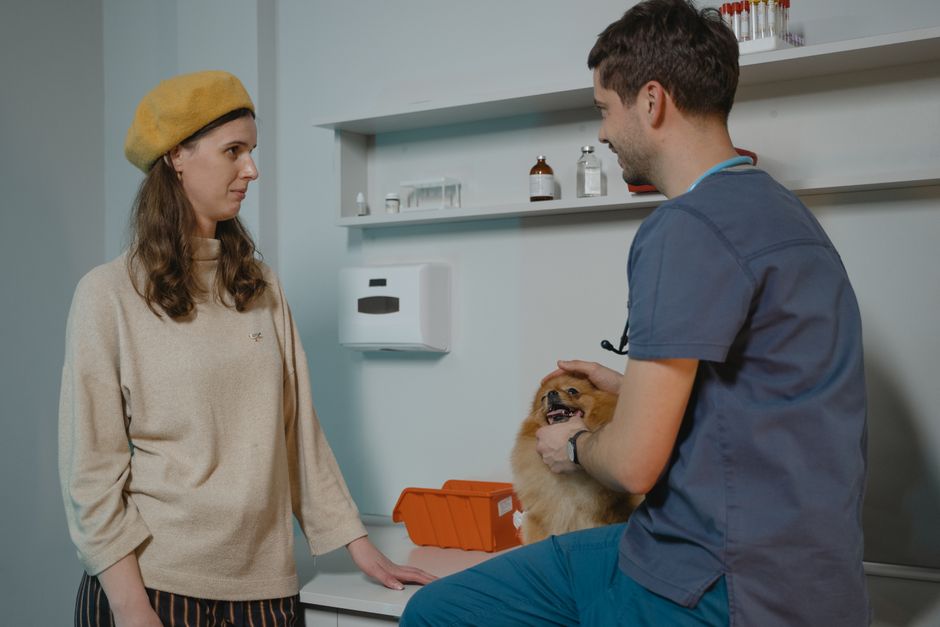
When you bring your pet to Ridgeline Veterinary Clinic for lethargy, the process typically begins with a thorough history and physical examination. Our veterinarians will ask you about recent changes in your pet’s routine, environment, appetite, and any other symptoms you may have observed. Depending on these findings, we may recommend additional diagnostic tests.
Diagnostic options often include pet laboratory diagnostics in Cathedral City such as blood tests, urinalysis, or fecal screening to check for infections, organ dysfunction, or metabolic imbalances. Advanced imaging like x-rays or veterinary ultrasounds in Cathedral City may be suggested if internal problems are suspected. Senior pets may require more comprehensive screening, and our senior pet care services are designed to address the unique health concerns of aging animals.
Treatment for lethargy in pets depends entirely on the underlying cause. If an infection is detected, medications or supportive care may be prescribed. For chronic diseases like diabetes or kidney problems, a customized treatment plan will be created to manage symptoms and improve your pet’s quality of life. Pain management, dietary adjustments, and sometimes hospitalization for more serious cases are possible. Our commitment is to keep you informed throughout the process and to work together on a care plan that best suits your pet’s needs and your family’s circumstances.
Preventing Lethargy: Home Care and Routine Veterinary Visits
While not all cases of lethargy can be prevented, there are many steps pet owners can take to give their pets the best chance at a long, healthy, and active life. Regular wellness examinations are the cornerstone of preventive veterinary care in Cathedral City. By bringing your pet in for routine check-ups, our veterinary team can spot subtle changes in health before they become major problems. Early detection often means more effective treatment and a quicker return to normal activity for your pet.
At home, providing a balanced diet, ensuring access to clean water, and encouraging regular exercise tailored to your pet’s age and ability are essential. Keeping up with vaccination services in Cathedral City helps protect your pet from infectious diseases that can cause lethargy. For older pets, monitoring for signs of arthritis, weight changes, or shifts in behavior can alert you to developing health issues. If you are interested in a step-by-step guide to maintaining your pet’s wellness, our complete preventive pet care checklist offers practical advice tailored to local pet owners.
When Should I Call the Vet? Knowing When to Seek Professional Help
Pet owners often struggle with the question, “When should I call the vet?” when their pet appears lethargic. As a general guideline, if your dog or cat is unusually tired for more than 24 hours, or if lethargy is accompanied by other symptoms such as vomiting, diarrhea, loss of appetite, difficulty breathing, pale gums, or sudden changes in behavior, it is time to seek veterinary care.
In particular, puppies, kittens, senior pets, and animals with preexisting health conditions are more vulnerable to serious complications from even mild illnesses. In these cases, prompt evaluation by a veterinarian is critical. If your pet collapses, cannot stand, has a seizure, or exhibits any other severe symptoms, contact our veterinary team immediately.
Our approach at Ridgeline Veterinary Clinic centers around building long-term, trusting relationships with pet owners in Cathedral City and surrounding communities. We encourage you to reach out whenever you have concerns—no question is too small when it comes to your pet’s wellbeing. Scheduling a wellness examination or seeking advice early can make all the difference in ensuring your pet receives timely and effective care.
Conclusion: Prioritizing Your Pet’s Health with Local Veterinary Care
Lethargy in pets can range from a passing phase to a sign of a serious health issue. The most important step you can take as a pet owner is to stay attuned to your pet’s normal behavior and trust your instincts if something seems off. At Ridgeline Veterinary Clinic, our team of veterinarians is dedicated to providing comprehensive care, from preventive checkups to advanced diagnostics and treatment. If you are searching for the best “vet near me” or need trusted veterinary care in Cathedral City, we are here to support you and your pet every step of the way.
If you have noticed changes in your pet’s energy level or have questions about lethargy, do not hesitate to schedule an appointment with us. Our veterinary professionals can guide you through every stage of your pet’s health journey, providing personalized care and clear communication. For those interested in maintaining their pet’s wellness, remember that wellness examinations in Cathedral City are a proactive way to catch issues early.
To book your pet’s next visit or discuss your concerns, call Ridgeline Veterinary Clinic at (760) 507-1500, or stop by our conveniently located clinic at 68100 Ramon Road Suite A7/8, Cathedral City, CA 92234. Your pet’s health, happiness, and comfort are always our top priorities.
This blog is intended for informational purposes only and should not be used as a substitute for professional veterinary advice. If your pet is experiencing severe or sudden symptoms, please contact a veterinarian immediately. For more information on lethargy in pets, visit resources such as the American Veterinary Medical Association or consult your local veterinary team.