Monsoon Safety: Protecting Cats and Dogs From Summer Storms
Monsoon Safety: Protecting Cats and Dogs From Summer Storms
When the skies darken suddenly and thunder rumbles over Cathedral City, many pet owners worry about how summer monsoon storms might impact their cats and dogs. Monsoon weather brings not only heavy rain and breathtaking lightning, but also unique hazards like flash floods, loud noises, and even increased anxiety for our four-legged family members. At Ridgeline Veterinary Clinic, located at 68100 Ramon Road Suite A7/8, Cathedral City, CA 92234, we understand the concerns local pet owners face during these dramatic weather events. This blog will guide you through how to recognize storm-related risks for your pet, why monsoons are particularly hazardous, and how you can prepare your household for a safe, stress-free season. You will also learn when to seek help from our team of veterinarians and how routine wellness examinations can be a part of your pet’s storm safety plan.
Recognizing Storm-Related Risks and Anxiety in Pets
Storms can be frightening for pets, and the signs of distress are not always obvious at first. During monsoon season, pet owners may notice changes in behavior ranging from mild unease to outright panic. Common signs of storm anxiety include pacing, panting, hiding under furniture, whining, barking, or excessive meowing. Some pets may tremble, drool, or attempt to escape through doors or windows, especially when thunder is loud or lightning is frequent. For cats, storm anxiety might show up as sudden hiding, loss of appetite, or inappropriate urination. Dogs might become more clingy, seek out small spaces, or even injure themselves trying to get away from perceived danger. Recognizing these behaviors early can help you intervene before your pet’s anxiety escalates.
Beyond behavioral stress, storms can also pose direct physical hazards. Heavy rain can lead to flash floods, which are dangerous for pets that spend time outdoors. Downed power lines, strong winds, and debris can injure curious animals, while sudden changes in barometric pressure may unsettle sensitive pets. It is vital to keep a close eye on your cat or dog as a storm approaches, especially if they have a history of anxiety or medical issues.
Why Are Monsoon Storms More Dangerous for Pets?
Monsoon storms in Cathedral City and surrounding communities are unique due to their sudden onset, intense rainfall, and dramatic lightning displays. Unlike gentle spring showers, monsoons bring rapid changes that can catch both people and pets off guard. The loud thunderclaps and flashes of lightning are startling for animals with keen senses, making it difficult for many pets to relax or feel secure.
Another factor to consider is the risk of electrical outages, which can cause unfamiliar sounds and darkness inside the home. For pets that rely on background noise or lights for comfort, these changes can add to their stress. Outdoor pets face additional threats, as fast-moving water can sweep away even the most agile dog or cat. The risk of lost pets also increases during storms, since frightened animals may bolt from yards, slip out doors, or become disoriented if fences are damaged by wind.
In the aftermath of a monsoon, environmental hazards can linger. Floodwaters may harbor bacteria or chemicals, and standing water can attract disease-carrying insects. Debris and downed branches may hide sharp objects, and power lines may create hidden dangers. Being aware of these risks can help you keep your pet safe during and after a storm.
Professional Veterinary Support for Storm Safety and Anxiety
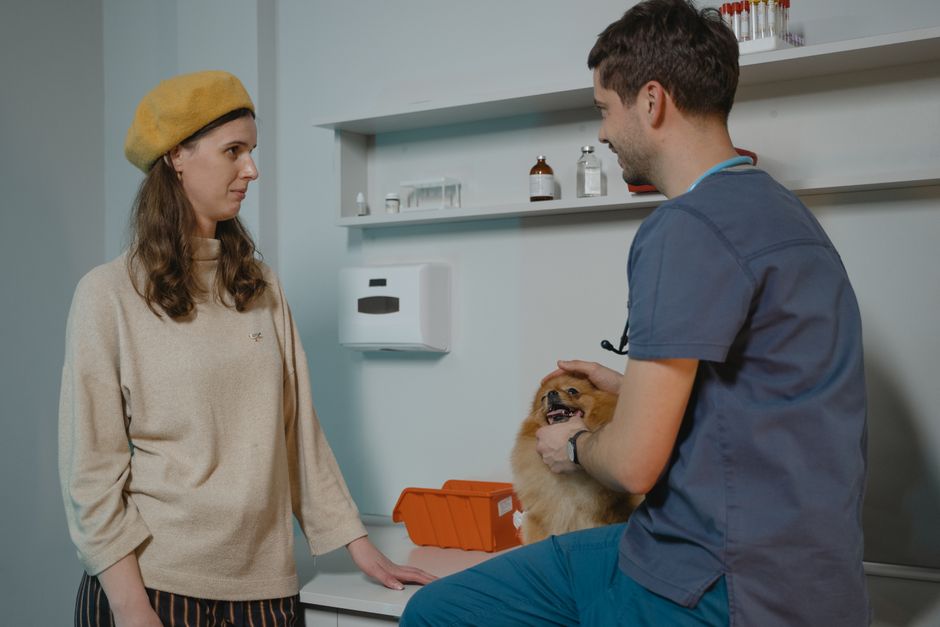
At Ridgeline Veterinary Clinic, our team of veterinarians routinely helps pet owners prepare for storm season, manage anxiety, and address injuries or illnesses related to extreme weather. If your cat or dog experiences severe anxiety during storms, we offer a range of solutions tailored to your pet’s specific needs. Treatment approaches include behavioral counseling, environmental management strategies, and in some cases, safe and effective anti-anxiety medications.
Our team can also recommend calming supplements, pheromone products, and training techniques that help desensitize pets to storm noises over time. For pets with a history of escape attempts, microchipping is a crucial step to ensure a lost animal can be quickly reunited with their family. Our clinic provides microchipping services as part of a comprehensive approach to storm safety.
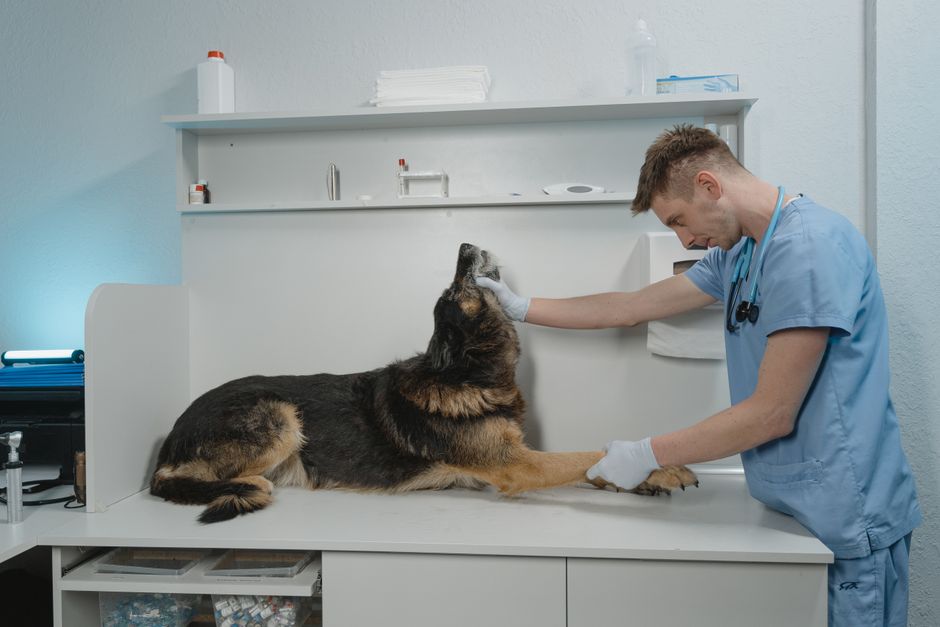
We also advise regular wellness examinations to keep your pet in optimal health, making them more resilient to stress and less vulnerable to illness or injury during the unpredictable monsoon season. If your pet suffers an injury during a storm, such as a laceration from debris or signs of illness after exposure to floodwater, our diagnostic and treatment capabilities—including laboratory services, imaging, and surgery—are available to support your pet’s recovery.
Preventing Storm-Related Hazards at Home
There are many steps you can take at home to protect your cat or dog during monsoon season. The first priority is to create a safe indoor environment before a storm hits. Bringing your pet indoors at the first sign of bad weather is essential. Secure all doors, windows, and pet access points to prevent escapes. For dogs, a sturdy, comfortable crate can serve as a safe haven, while cats often prefer quiet, enclosed spaces like closets or under beds.
Prepare a storm kit in advance, including your pet’s food, water, medications, and identification. Ensure your pet wears a collar with up-to-date tags, and consider the extra peace of mind that comes with microchipping. During the storm, keep your pet calm by providing familiar bedding, favorite toys, and gentle reassurance. Playing soft music or white noise can help mask the sound of thunder, while closing curtains may diminish the impact of lightning flashes.
After the storm, inspect your yard for hazards before letting your pet outside. Look for broken fences, sharp debris, and standing water, which can all pose risks. If your pet has gotten wet, dry them thoroughly to prevent skin issues, and watch for signs of illness over the following days. If your pet goes missing during a storm, notify local shelters and your microchip provider as soon as possible.
When to Seek Veterinary Care During Storm Season
Some storm-related issues can be managed at home, but certain scenarios require prompt attention from a veterinary professional. If your cat or dog displays intense or persistent anxiety that does not improve with home management, contact our veterinary team for guidance. Signs of distress that warrant a veterinary visit include continuous vocalization, refusal to eat or drink, self-injury, or destructive behavior.
Injuries sustained during storms, such as cuts, puncture wounds, or suspected fractures, should be evaluated as soon as possible. If your pet has been exposed to floodwater and develops vomiting, diarrhea, lethargy, or other signs of illness, schedule an appointment for a thorough evaluation. Remember that hidden hazards like electrical shock or toxic exposure may not be immediately obvious, so err on the side of caution if you are concerned.
If you are unsure whether your pet’s symptoms are serious, our team of veterinarians is always available to help you decide on the best course of action. For common questions about storm safety and pet health, you may also find helpful information in our Frequently Asked Questions section.
Building a Storm-Ready Routine for Your Pet’s Health
Keeping your pet safe during monsoon season is an ongoing process that benefits from proactive planning and regular veterinary care. Schedule routine wellness examinations to catch potential health issues early and discuss storm preparedness with our knowledgeable veterinary team. Updating your pet’s vaccinations and maintaining preventative care will ensure your dog or cat is less susceptible to infectious diseases that can become more prevalent after heavy storms.
Consider creating a written emergency plan for your household, including how you will manage your pets in the event of evacuation or power loss. Practice bringing your pet to their safe space when a storm is not occurring, so they become familiar with the routine. Stay informed about local weather alerts and have your veterinarian’s contact information handy in case of urgent questions or emergencies.
Your Local Partner for Pet Safety During Monsoon Season
As monsoon storms roll through Cathedral City and surrounding communities, Ridgeline Veterinary Clinic is committed to helping you keep your cats and dogs safe, comfortable, and healthy. Our team of veterinarians is here to provide expert advice, preventive care, and compassionate support whenever you need it. If you have concerns about your pet’s storm anxiety, need help preparing for weather emergencies, or want to schedule a wellness check, we invite you to reach out to us.
For those searching for a "vet near me" who truly understands the unique challenges of desert storms, our clinic offers comprehensive services and a caring approach tailored to your family’s needs. To schedule an appointment or speak with our veterinary professionals, call (760) 507-1500 or visit our clinic location. Together, we can ensure your pet weathers every storm with confidence and care.
This article is for informational purposes only and does not replace professional veterinary advice. If your pet is experiencing a medical emergency or severe anxiety, please contact your veterinarian immediately.