Keeping Cats and Dogs Safe in Cooler Fall Weather
Keeping Cats and Dogs Safe in Cooler Fall Weather
As the crisp air of November settles over Cathedral City, pet owners often find themselves wondering how to help their cats and dogs adjust to the changing temperatures. While the Coachella Valley is known for its warm climate, the drop in temperature during fall—especially at night—can create new challenges for your pet’s comfort and health. At Ridgeline Veterinary Clinic, we understand that even mild seasonal changes can affect your furry family members. In this blog, we will explore the unique risks that fall weather brings, warning signs to watch for, and practical steps you can take to keep your pet safe and healthy all season long. Whether you are concerned about chilly nights, dry air, or shifts in your pet’s daily routine, our team of veterinarians in Cathedral City is here to help you make smart, compassionate decisions for your four-legged companions. If you are looking for a trusted "vet near me," Ridgeline Veterinary Clinic is proud to serve Cathedral City and surrounding communities with comprehensive pet care.
Recognizing When Fall Weather Affects Your Pet
As fall arrives, many pet owners notice subtle changes in their cat or dog’s behavior and health. Signs that cooler weather may be impacting your pet include shivering, seeking out warm spots, or hesitating to go outside for walks or bathroom breaks. Cats may curl up more tightly or look for sunny windows, while dogs might seem less energetic during morning or evening outings. Other symptoms to watch for are dry or flaky skin, increased shedding, and stiffness—especially in older pets or those with arthritis. If your pet spends time outdoors, you might also observe them trying to burrow into blankets or bedding. Paying close attention to these changes can help you spot discomfort early and address seasonal risks before they become more serious.
When to Be Extra Watchful
Certain pets are more vulnerable to cooler weather. Puppies, kittens, senior pets, and animals with short or thin coats are at higher risk for feeling cold or developing dry, irritated skin. Small breeds, hairless breeds, and pets with chronic health issues may also have a harder time regulating their body temperature. If you notice your pet trembling, avoiding outdoor time, or developing cracked paw pads, these are clear signs they may need a little extra help staying comfortable as temperatures dip. To learn more about caring for older pets during the fall, visit our resource on senior pet care services.
Why Cooler Fall Weather Challenges Cats and Dogs
While Cathedral City’s fall weather is generally mild, the shift from hot summer days to cooler nights can still impact your pet’s well-being. Pets acclimate to their environment over time, so even a moderate temperature drop can feel significant—especially after months of desert heat. Dry air is another challenge; as humidity levels fall, your pet’s skin and coat can become dehydrated, leading to itching or increased shedding. Additionally, the shorter daylight hours and changing routines may affect your pet’s activity level, mood, and even their immune system. For outdoor pets, the temptation to seek warmth in unsafe places, such as under cars or near heating units, increases as the temperature drops.
Environmental and Lifestyle Factors
Several factors contribute to how your pet experiences fall weather. The age and health of your animal, their coat type, and their access to shelter all play major roles. Indoor pets may face dry, heated air that exacerbates skin issues, while outdoor pets risk exposure to sudden temperature changes. Seasonal allergens, such as mold or dust, can also become more prominent in the fall, potentially triggering respiratory symptoms in sensitive animals. By understanding these factors, you can create a safer and more comfortable environment for your cat or dog.
Veterinary Care and Professional Recommendations
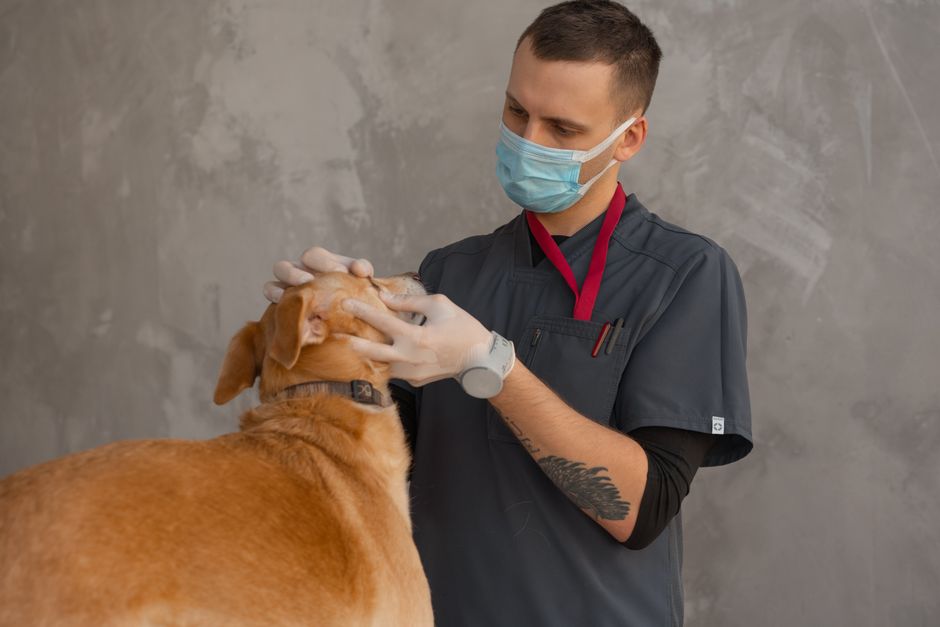
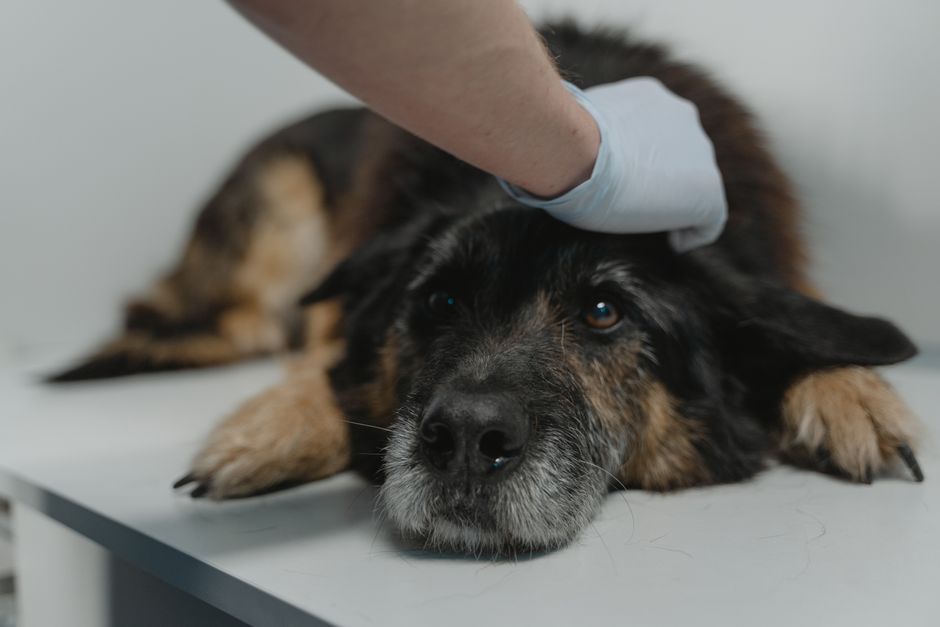
When it comes to managing fall-related risks, a proactive approach is best. Scheduling a wellness examination for your cat or dog allows our veterinary team to assess your pet’s overall health and address any underlying issues that might make them more susceptible to seasonal discomfort. During a visit, our veterinarians will check for skin conditions, joint stiffness, dental health, and changes in body condition that may be linked to cooler weather. We can also recommend appropriate nutritional adjustments, supplements for joint health, and grooming routines tailored to your pet’s specific needs.
Addressing Dry Skin and Seasonal Shedding
If your pet is experiencing dry skin or increased shedding, our veterinary professionals may suggest moisturizing shampoos, omega-3 fatty acid supplements, or adjustments to your pet’s diet. For dogs or cats with chronic medical conditions, such as arthritis, targeted therapies—like laser therapy or specific medications—can help manage stiffness and pain that often worsen during colder months. It is important to consult with our team before starting any new supplement or treatment, as each pet’s needs are unique.
Home Care Tips to Keep Pets Comfortable in Fall
Taking steps at home can make a significant difference in your pet’s comfort during fall. Providing warm bedding in a draft-free area gives your cat or dog a cozy place to rest, especially overnight. For pets with thin coats or those that spend time outdoors, pet-safe sweaters or jackets can help retain body heat during walks. Ensuring your pet stays hydrated is crucial, as dry air can increase water loss through the skin and respiratory tract. Regular grooming helps remove loose fur and prevents matting, which can trap moisture and lead to skin problems.
Adjusting Daily Routines
As daylight hours get shorter, your pet’s exercise schedule may need to adapt. Try to walk your dog during the warmest parts of the day and encourage indoor play sessions when outdoor conditions are less comfortable. For cats, interactive toys or window perches in sunny areas can provide both mental and physical stimulation. It is also wise to monitor your heating system and use pet-safe humidifiers if indoor air becomes excessively dry. Avoid using space heaters or heated blankets unattended, as pets can accidentally knock them over or get too close.
Preventing Cold-Related Hazards
Be mindful of common fall hazards such as antifreeze spills, rodenticides, and seasonal plants, which become more prevalent as the weather cools. Antifreeze is highly toxic to cats and dogs, so always clean up spills promptly and store chemicals securely. Watch for any signs of poisoning, such as drooling, vomiting, or lethargy, and contact your veterinarian immediately if you are concerned. For more comprehensive seasonal safety guidance, you can refer to our holiday pet health guide.
When to Seek Veterinary Care for Fall-Related Issues
While many fall weather adjustments can be managed at home, some situations require prompt veterinary attention. If your cat or dog shows persistent shivering, difficulty breathing, coughing, severe lethargy, or signs of pain, schedule an appointment right away. Sudden changes in appetite, water intake, or behavior can also indicate underlying health problems that need professional evaluation. Pets with pre-existing conditions, like heart disease, diabetes, or respiratory issues, may experience a worsening of symptoms as temperatures fluctuate. Our team at Ridgeline Veterinary Clinic is ready to help you assess your pet’s needs and provide tailored recommendations for their care.
The Importance of Preventive Care
Routine check-ups are the cornerstone of keeping your pet healthy during seasonal transitions. Preventive care allows our veterinarians to catch potential problems early, adjust care plans as needed, and ensure your cat or dog is prepared for whatever fall brings. For aging pets, specialized support can significantly enhance comfort and quality of life. You can explore more about tailored care for older cats and dogs in our article on senior pet health tips for November.
Supporting Your Cat or Dog Through Fall in Cathedral City
As you and your pet adjust to the changing seasons in Cathedral City, remember that even small steps can make a big difference in their comfort and wellbeing. Stay observant for signs of seasonal stress, provide extra warmth and hydration, and maintain regular check-ins with your veterinary team. If you ever find yourself searching for a "vet near me," know that Ridgeline Veterinary Clinic is committed to supporting you with comprehensive, compassionate care. Our veterinary professionals are always happy to answer your questions or schedule an appointment to discuss your pet’s unique needs.
To book your next wellness exam or to address any fall-related concerns, call us at (760) 507-1500 or visit us at 68100 Ramon Road Suite A7/8, Cathedral City, CA 92234. At Ridgeline Veterinary Clinic, we are proud to be your trusted partner in keeping your cat or dog safe, healthy, and happy all year long.