How to Keep Pets Safe in Cathedral City’s April Heat
How to Keep Pets Safe in Cathedral City’s April Heat
As April arrives in Cathedral City, pet owners begin to notice the temperatures steadily climbing. While springtime can be beautiful in our region, the Coachella Valley’s warmth can turn dangerous surprisingly quickly for dogs and cats. At Ridgeline Veterinary Clinic, located at 68100 Ramon Road Suite A7/8, Cathedral City, CA 92234, we understand how much your pets mean to you, and we want to help you keep them safe, happy, and healthy as the weather heats up. This guide will walk you through the warning signs of heat-related problems, the reasons pets are vulnerable in warm weather, practical steps you can take to protect your furry companions, and when it’s time to seek professional veterinary care. We’ll also share how our veterinary team can help you prevent and manage heat-related risks for your pets with comprehensive wellness services and experienced care.
Recognizing the Signs of Heat-Related Problems in Pets
Knowing when your pet is struggling with the heat is essential to preventing serious health issues. Dogs and cats can develop heat exhaustion or heatstroke much more quickly than people realize, especially in Cathedral City’s dry, sunny climate. Key symptoms that your pet may be overheated include excessive panting, drooling, or difficulty breathing. You might also notice signs such as lethargy, weakness, unsteady movement, or even vomiting and diarrhea. In some pets, the gums may appear bright red or unusually pale, and their heart rate may become rapid. In severe cases, you could observe confusion, collapse, or even seizures.
Cats are especially skilled at hiding their discomfort, so subtle changes such as seeking out cool surfaces, refusing food, or grooming excessively can be early warning signs. Dogs, on the other hand, may become restless, anxious, or seek shade and water repeatedly. If you notice any of these symptoms, it’s important to act quickly to cool your pet and contact your veterinarian for guidance.
Why Cathedral City Pets Are Vulnerable to April Heat
The combination of rising spring temperatures, low humidity, and strong sunshine in the Coachella Valley creates a challenging environment for pets. Unlike humans, dogs and cats cannot sweat effectively to cool themselves. Instead, dogs primarily rely on panting, while cats dissipate heat through limited sweat glands in their paws and by grooming. This makes it difficult for them to regulate their body temperature during hot spells, especially if they are exposed to direct sunlight, exercise, or warm indoor spaces without adequate ventilation.
Certain pets are at increased risk. Puppies, kittens, senior animals, pets with thick or dark coats, brachycephalic breeds like Bulldogs and Persians, and those with chronic health issues are more likely to struggle with the heat. Even a short walk on a warm day can be dangerous, as pavement and sand can become blisteringly hot, leading to burns on sensitive paws. Cars and poorly ventilated rooms can also become hazardous within minutes.
Environmental hazards aren’t limited to temperature alone. As spring blooms, local plants, fertilizers, and insects add to the risks. Some seasonal plants and flowers are toxic if ingested, and increased activity from bees and other insects can lead to stings or allergic reactions.
Professional Veterinary Care for Heat-Related Illness and Prevention
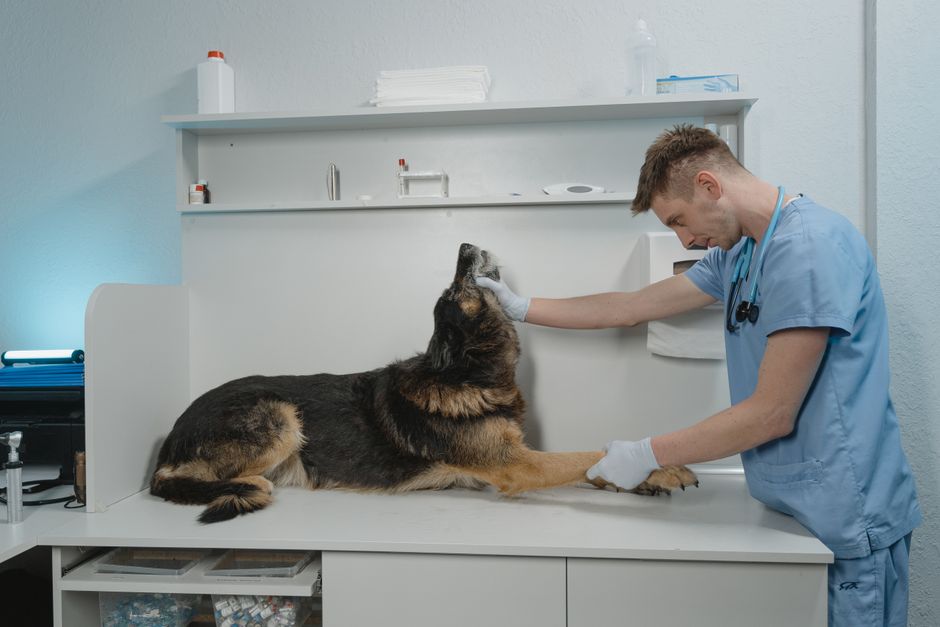
If your pet shows signs of heat exhaustion or heatstroke, immediate veterinary attention is crucial. At Ridgeline Veterinary Clinic, our veterinary professionals are equipped to assess your pet’s condition quickly and provide lifesaving interventions. Treatment for heatstroke typically involves intravenous fluids to address dehydration, oxygen therapy, close monitoring of vital signs, and cooling techniques to safely bring your pet’s body temperature down. Our diagnostic laboratory services allow us to evaluate your pet’s internal health and identify complications such as kidney damage or electrolyte imbalances that can result from overheating.
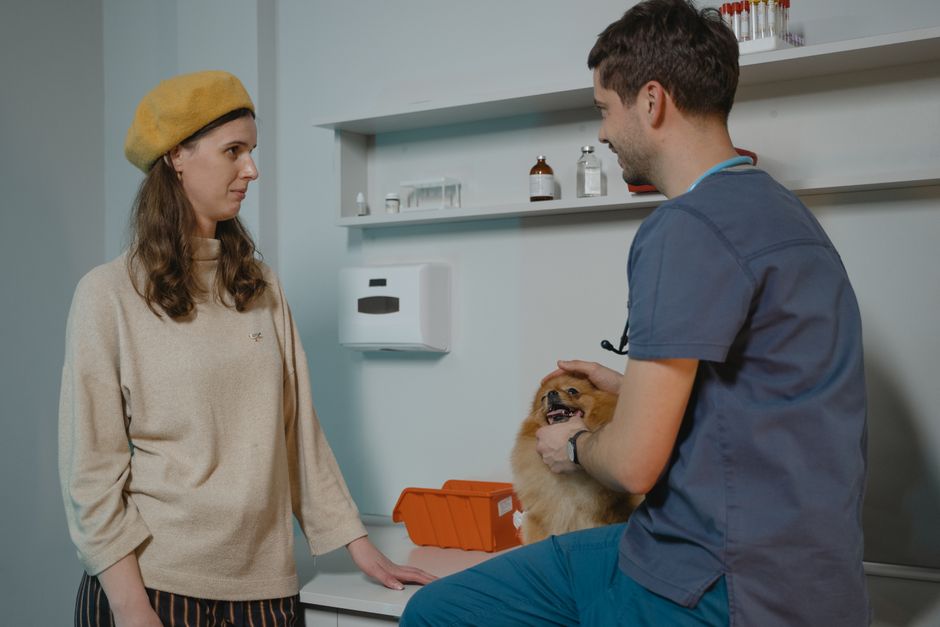
Prevention is always better than cure. Regular wellness examinations give our veterinarians the opportunity to evaluate your pet’s risk factors, discuss tailored recommendations based on breed, age, and lifestyle, and ensure that chronic conditions are well controlled as the seasons change. For senior pets, our dedicated senior pet care services focus on monitoring and managing health issues that can make older dogs and cats more susceptible to the effects of heat.
Keeping Your Pet Cool and Comfortable at Home
There are several important steps you can take to reduce your pet’s risk of heat-related illness as April temperatures rise. Always provide fresh, cool water and access to shade, both indoors and outside. Walk your dog early in the morning or later in the evening when the sun is less intense, and keep outdoor excursions brief during the hottest parts of the day. Test the ground with your hand before walking; if it feels too hot for you, it’s too hot for your pet’s paws.
Indoors, ensure good airflow with fans or air conditioning, and never leave pets in closed spaces like cars or garages, even for a short time. Brushing your pet regularly helps remove excess fur, which can trap heat, but avoid shaving their coat completely, as this can reduce their natural protection from the sun. For cats, provide cool resting spots and encourage them to drink more water by offering multiple bowls or even pet-safe fountains.
Consider using pet-safe cooling mats, ice cubes in water bowls, or damp towels for your pet to lie on. Monitor your pet’s activity closely; avoid strenuous play during warm weather, and watch for any changes in behavior or appetite. If you have a fenced yard, check for escape routes; heat-stressed animals may try to dig or climb in search of relief, increasing the risk of getting lost. Microchipping, available at our clinic, helps ensure your pet can be reunited with you quickly if this happens.
When to Seek Veterinary Help for Heat-Related Concerns
It’s important to know when home care is not enough. If your pet is panting heavily for more than a few minutes, seems weak or confused, vomits, collapses, or has seizures, seek veterinary care immediately. Rapid intervention can be lifesaving. If your pet has pre-existing health conditions, is very young or old, or belongs to a brachycephalic breed, don’t hesitate to call your veterinarian at the first sign of distress during warm weather.
If you’re unsure whether your pet’s symptoms are serious, our veterinary team is always here to help you make that call. We encourage you to contact us promptly with any concerns or questions about your pet’s response to the heat or other seasonal hazards.
Keeping Cathedral City and Surrounding Communities’ Pets Safe This Spring
As you enjoy the arrival of spring in Cathedral City and the beautiful Coachella Valley, remember that a few simple precautions can go a long way in protecting your pets from the risks of April heat. Watching for early warning signs, making small adjustments at home, and staying in close contact with your trusted veterinary professionals will keep your furry family members comfortable and safe.
If you are searching for a veterinarian near me this season, Ridgeline Veterinary Clinic is your local partner in pet health. Our compassionate veterinary team is dedicated to helping pets thrive in our unique climate, whether through preventive wellness care, advanced diagnostics, or urgent medical attention. We invite you to schedule a wellness examination to discuss your pet’s individual needs and create a personalized plan for a healthy, worry-free spring and summer.
To schedule an appointment or speak with one of our veterinarians, call us at (760) 507-1500 or visit our hospital at 68100 Ramon Road Suite A7/8, Cathedral City, CA 92234. For more information about our services, including wellness examinations, senior pet care, and diagnostic laboratory testing, explore our website or reach out today. We are here to support you and your pet every step of the way this spring and beyond.
This blog is for informational purposes only and should not be considered a substitute for professional veterinary advice. If you believe your pet is experiencing a medical emergency, contact your veterinarian immediately.