Back-to-School Changes: Helping Pets Adjust in September
Back-to-School Changes: Helping Pets Adjust in September
September marks the beginning of a new routine for many families as children return to school and daily schedules shift. While this season can bring excitement and fresh starts for people, it often means big changes for the cats and dogs who share our homes. At Ridgeline Veterinary Clinic, located at 68100 Ramon Road Suite A7/8, Cathedral City, CA 92234, our veterinary team understands that transitions like these can disrupt your pet’s sense of security and routine. In this blog, we’ll explore how back-to-school changes can impact your pet, how to recognize signs of stress or adjustment difficulties, and what you can do to help your furry friend feel comfortable and confident as autumn routines begin. From practical tips to the importance of wellness care, you’ll find actionable advice to keep your cat or dog happy and healthy throughout September and beyond.
Recognizing the Signs: Is Your Pet Struggling with Schedule Changes?
As your family’s daily patterns shift with the return to school, your pet may experience a range of emotions and behaviors in response. Some pets adapt quickly, while others show signs that they are anxious, lonely, or confused by the sudden absence of their favorite humans during the day.
Common signs that your pet may be struggling with the new routine include changes in appetite, such as eating less or showing little interest in food, increased vocalization like whining, barking, or meowing when left alone, and destructive behaviors such as chewing furniture or scratching at doors. You might also notice your cat or dog pacing, appearing restless, or seeking extra attention whenever family members are home. For some pets, house soiling or accidents in the home may become more frequent, especially for dogs used to midday bathroom breaks.
If your pet seems more withdrawn, hides more often, or shows less enthusiasm for play or walks, these could also be indications that the back-to-school transition is affecting their wellbeing. Recognizing these behaviors early helps you address them before they develop into more serious anxiety or behavioral issues.
Why Do Pets Struggle with Back-to-School Transitions?
Pets, especially dogs and cats, are creatures of habit. They find comfort in familiar routines and predictable schedules. When the household suddenly shifts from summer’s relaxed pace to the structure of school days, your pet may feel uncertain or even abandoned.
Many pets develop strong bonds with children and adults who are suddenly gone for longer periods each day. Dogs, in particular, thrive on social interaction and may experience separation anxiety when their favorite playmates leave for school. Cats, though sometimes more independent, are still sensitive to changes in their environment and can become stressed by new noises, quietness, or disruptions in feeding and play schedules.
Factors that contribute to a pet’s difficulty adjusting include the suddenness of the change, lack of gradual preparation, not enough mental or physical stimulation during the day, and limited opportunities for positive interactions before and after the family leaves. Puppies, kittens, and senior pets may be especially vulnerable to these disruptions, as younger animals are still developing routines and older pets can struggle with changes to their established patterns.
Helping Your Pet Adjust: Professional Support and Home Strategies
The good news is that there are many ways to support your pet during this seasonal transition. At Ridgeline Veterinary Clinic, we recommend a proactive approach that combines professional veterinary care with thoughtful changes at home.
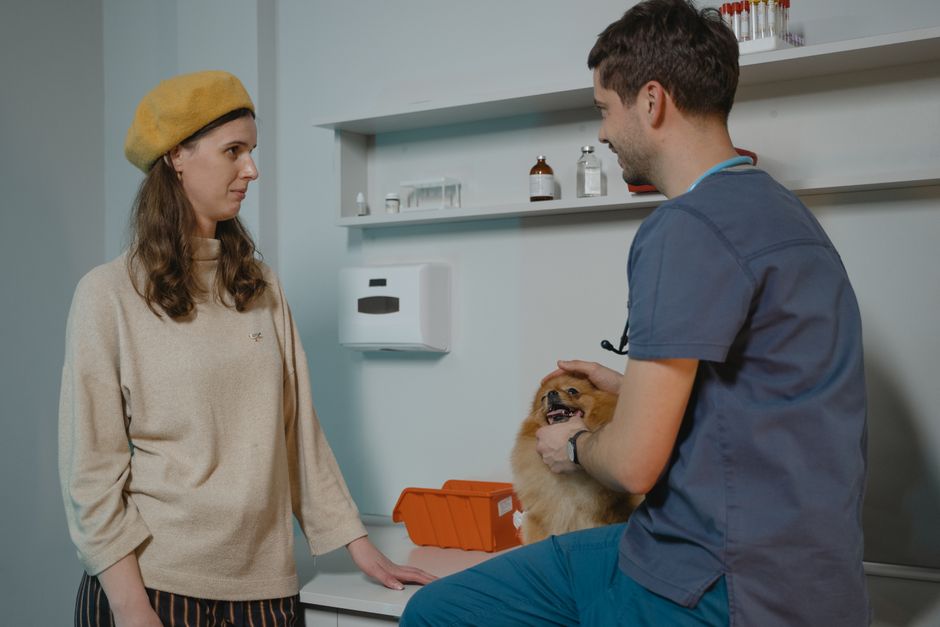
Scheduling a wellness examination is a valuable first step, especially if you notice changes in your pet’s behavior or health. Sometimes, what appears to be stress or anxiety may be linked to an underlying medical issue. Our veterinary team can perform a comprehensive pet exam to rule out medical causes, offer advice on behavioral management, and tailor recommendations to your pet’s unique needs.
At home, gradually introducing aspects of the new routine before school starts can help your pet adjust. For example, begin feeding, walking, and playing with your pet at times that mirror the upcoming schedule. Practice leaving your pet alone for short periods, slowly increasing the duration so they become comfortable with being alone.
Enrichment activities are especially helpful. Providing puzzle toys, treat-dispensing devices, or safe access to windows can offer mental stimulation and keep your pet occupied during the day. For dogs, a morning walk before the family leaves can help expend energy and set a positive tone for the day. Cats may benefit from interactive toys or scheduled play sessions in the evening.
If your pet continues to struggle, our veterinary team may discuss additional behavioral support, such as training strategies or calming products. Every pet is different, so individualized care is key.
Preventing Stress and Supporting Healthy Habits at Home
Preventing stress in your pet during back-to-school season involves creating a predictable environment and providing opportunities for comfort and engagement. Key steps include maintaining consistent feeding times, ensuring your pet always has access to fresh water, and keeping familiar bedding, toys, and routines in place as much as possible.
Designate a safe, cozy area where your pet can relax when the house is quiet. For dogs, this might be a crate with their favorite blanket; for cats, a quiet room with a sunny window perch often provides comfort. Leave an item of clothing with your scent in your pet’s resting area; this can be soothing during periods of separation.
Keep up with your pet’s regular exercise and enrichment, even if your family’s schedule is busier. A brisk walk or a play session after school can help your pet release energy and reconnect with the family. If your pet is prone to dehydration, especially during the lingering heat of September in Cathedral City, we encourage you to review our tips for preventing dehydration in dogs and cats to ensure your pet stays healthy as routines change.
Consider enlisting help from neighbors or professional pet sitters if your pet will be alone for extended periods. For some pets, a midday visit or walk can break up the day and reduce anxiety.
When to Seek Veterinary Care for Adjustment Difficulties
While many pets adjust to new routines with time and patience, there are situations where professional help is needed. If your pet’s changes in behavior persist for more than a few weeks, or if you notice symptoms such as persistent vomiting, diarrhea, loss of appetite, or self-injury, it is important to schedule an appointment with our veterinary team.
Sudden or severe behavioral changes, especially if accompanied by signs of illness, should always be evaluated by a veterinarian. This is particularly true for young puppies and kittens, senior pets, or those with pre-existing health conditions, as they can be more susceptible to the effects of stress.
A wellness examination provides an opportunity to assess your pet’s overall health, discuss concerns, and develop a plan to support their emotional and physical wellbeing during this transition. Our team may also recommend additional resources or referrals if your pet would benefit from specialized behavioral support.
If you are ever unsure whether your pet’s symptoms warrant a veterinary visit, it is always best to call our clinic for guidance. We are here to answer your questions, provide reassurance, and ensure your pet receives the care they need.
Keeping Your Pet Happy Through September and Beyond
Back-to-school season can be an adjustment for everyone in the family—including your cat or dog. By recognizing the signs of stress, understanding the reasons behind your pet’s behavior, and implementing supportive routines at home, you can make this transition smoother and more comfortable for your furry companion.
Our veterinary team at Ridgeline Veterinary Clinic is committed to providing high-quality care for your pet throughout every season of life. Whether your cat needs help coping with a quieter house or your dog is showing signs of separation anxiety, we are here to help with comprehensive services from preventive care to behavioral guidance.
If you are searching for a "vet near me" in Cathedral City and surrounding communities, Ridgeline Veterinary Clinic is ready to support your pet’s health and happiness. Schedule a wellness examination or consultation by calling (760) 507-1500, or stop by our convenient Cathedral City location to learn more about our services. For more seasonal advice, don’t miss our information on protecting pets from desert pests in September.
If you have any questions or need personalized guidance, our veterinary professionals are just a phone call away. We look forward to helping your pet thrive as the school year begins and throughout the fall.