Keeping Pets Comfortable in Cathedral City’s March Weather
Keeping Pets Comfortable in Cathedral City’s March Weather
As spring approaches in Cathedral City, many pet owners notice their furry friends beginning to adjust to the warmer, drier climate that March brings. While the mild desert sunshine can be delightful, it also presents unique challenges for keeping pets healthy, comfortable, and hydrated. At Ridgeline Veterinary Clinic, located at 68100 Ramon Road Suite A7/8, Cathedral City, CA 92234, our team of veterinarians understands the seasonal shifts that affect pets in our area. This blog will guide you through recognizing signs that your pet may be struggling with the weather, explain why these issues arise, offer practical tips for prevention and comfort, and help you know when it is time to schedule an appointment.
Throughout this post, you will find expert advice on hydration, sun protection, grooming, and more, tailored specifically for dogs and cats living in Cathedral City and surrounding communities. We will also discuss when to seek professional veterinary care and link to helpful resources, such as our wellness examination services, to ensure your pet is thriving all spring long.
Recognizing Signs Your Pet May Be Uncomfortable in Early Spring
As temperatures rise and the air becomes drier, pets can display subtle or obvious signs of discomfort. Understanding what to watch for helps you catch minor issues before they become major concerns. Common symptoms that your pet may be struggling with the March weather in Cathedral City include increased panting or drooling, seeking shade or cool surfaces more often, licking or biting at paws, dry or flaky skin, decreased energy during the warmer parts of the day, and changes in water consumption. Cats may begin hiding more frequently or grooming excessively, while dogs might become restless or reluctant to go outside for long walks.
In some cases, you may notice your pet’s nose becoming cracked or their paw pads feeling rough to the touch. Additional warning signs are reduced appetite, vomiting or diarrhea, and excessive shedding. If your pet is displaying any of these symptoms, it is important to consider the role that seasonal weather changes could be playing in their comfort and health.
Why Cathedral City’s March Weather Impacts Pet Health
The unique climate of Cathedral City brings warmer temperatures and lower humidity levels as winter transitions to spring. While these conditions are pleasant for outdoor activities, they can quickly lead to dehydration, overheating, and skin issues in pets. Unlike humans, dogs and cats do not sweat efficiently; they rely on panting and limited sweat glands in their paw pads to regulate body temperature. This makes them more susceptible to heat stress and rapid moisture loss in dry air.
Sun exposure also increases in March, raising the risk of sunburn for light-coated dogs and cats as well as those with thin or patchy fur. Dust, pollen, and allergens become more prevalent as the desert landscape blooms, contributing to skin irritation, respiratory symptoms, and increased shedding. The combination of drier air, stronger sunlight, and environmental allergens means that pets in Cathedral City require extra care to stay comfortable.
How Ridgeline Veterinary Clinic Helps: Professional Care for Springtime Pet Challenges
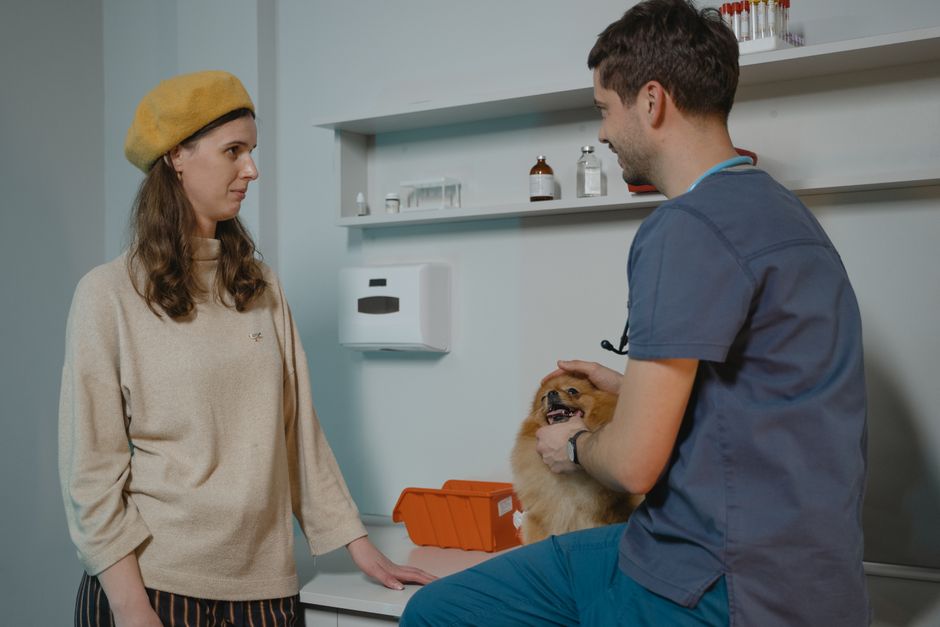
At Ridgeline Veterinary Clinic, we provide comprehensive care to help your pet thrive during seasonal transitions. Our team can perform a wellness examination to assess your pet’s overall health, spot signs of dehydration or skin problems early, and recommend preventive measures tailored to your pet’s age, breed, and lifestyle. For pets with a history of allergies, our diagnostics services can pinpoint environmental triggers so that you can take effective steps at home.
Hydration is a key focus during spring. We offer guidance on increasing water intake and can recommend dietary changes, such as adding wet food, to help maintain moisture levels. For pets showing signs of discomfort, our clinic provides advanced therapies, including laser therapy for pain relief and skin healing, and we perform thorough skin and coat checks during each visit.
If you have noticed your pet starting to shed more as the weather warms, you may find our blog on how to prepare your pet for springtime shedding in Cathedral City helpful. Our team also stays current with the latest recommendations for parasite prevention, which is especially important as fleas and ticks become more active in springtime; for more information, see our springtime parasite prevention for pets in Cathedral City.
Keeping Your Pet Comfortable at Home: Practical Tips for March in Cathedral City
There are many simple ways to help your pet adjust to Cathedral City’s spring weather. Ensuring your pet always has access to fresh, clean water is essential; consider placing multiple water bowls around your home and yard, especially in areas where your pet tends to rest. Encourage drinking by refreshing the water often and, for cats, try pet water fountains that appeal to their preference for running water.
Shade and cool resting places are vital for pets who spend time outdoors. Provide access to shaded patios, covered porches, or indoor spaces with tile or cool flooring. Limit vigorous exercise to the early morning or late evening, when temperatures are milder, and avoid hot pavement that can burn sensitive paw pads.
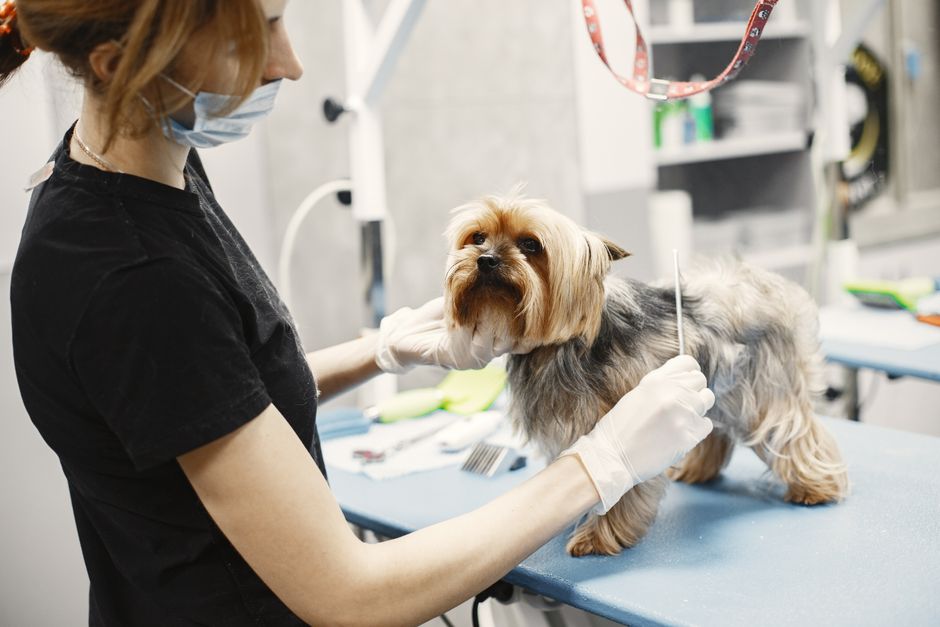
Regular grooming plays a significant role in temperature regulation and comfort. Brushing your pet often removes excess hair, reduces matting, and helps distribute natural oils that protect the skin. Bathing should be done with gentle, pet-safe shampoos to prevent dryness. If your pet is prone to skin irritation, ask our veterinary professionals about products or supplements that support skin and coat health.
Sunscreen designed for pets can be applied to exposed areas on light-skinned dogs and cats, particularly the nose and ears. Never use human sunscreen products, as certain ingredients can be toxic to animals. For added protection, lightweight pet shirts or hats may help shield sensitive pets from the sun’s rays.
As spring brings more allergens, keeping your home clean can reduce your pet’s exposure. Wash bedding frequently, vacuum carpets, and consider using air purifiers if your pet has a history of seasonal allergies. Monitoring your pet for signs of itching, sneezing, or watery eyes allows for prompt intervention if allergy symptoms arise.
When to Schedule a Veterinary Appointment for Weather-Related Concerns
While many springtime issues can be managed at home, certain signs indicate that it is time to seek professional veterinary care. If your pet is not drinking enough water, seems lethargic, or is vomiting, this can signal dehydration or heat stress that requires immediate attention. Persistent skin irritation, hot spots, or open sores should also be evaluated by our veterinary team to prevent infection and discomfort.
Excessive panting that does not resolve with rest, difficulty breathing, or collapse are medical emergencies and should prompt an urgent call to your veterinarian. For pets with chronic conditions, such as heart or lung disease, the transition to warmer weather can aggravate symptoms and warrants close monitoring.
Scheduling a wellness examination as spring begins is one of the best ways to catch potential problems early and get personalized advice on seasonal pet care. Our veterinary professionals can recommend preventive screenings, discuss your pet’s unique risk factors, and develop a plan to keep them healthy as the weather changes.
If you are ever unsure whether your pet’s symptoms require medical attention, our team at Ridgeline Veterinary Clinic is always happy to answer your questions by phone or during a scheduled visit.
Conclusion: Keeping Your Pet Happy and Healthy All Spring Long
March in Cathedral City brings beautiful weather, but it also means paying closer attention to your pet’s hydration, comfort, and skin health. By watching for warning signs, providing plenty of water and shade, and maintaining regular grooming, you can help your pet thrive as the seasons shift. Our team of veterinarians is dedicated to supporting you every step of the way, offering expert guidance and compassionate care tailored to your pet’s needs.
If you are searching for a veterinarian near me or want to ensure your pet is prepared for springtime challenges, we invite you to schedule an appointment with Ridgeline Veterinary Clinic. We are here to answer your questions, provide thorough wellness examinations, and recommend the best preventive care for your furry family member. For more information or to book your visit, call us at (760) 507-1500 or stop by our convenient location at 68100 Ramon Road Suite A7/8, Cathedral City, CA 92234.
For additional tips on seasonal grooming and parasite prevention, explore our articles on how to prepare your pet for springtime shedding in Cathedral City and springtime parasite prevention for pets in Cathedral City. Our entire team is committed to keeping your pet happy, healthy, and comfortable all year round.
This blog is intended for informational purposes only and does not replace professional veterinary care. Always consult your veterinarian for advice tailored to your pet’s individual needs.