How to Help Senior Pets Thrive in Cathedral City’s Spring
How to Help Senior Pets Thrive in Cathedral City’s Spring
As spring arrives in Cathedral City, longer days and warmer temperatures invite pets and their families to spend more time outdoors. While this season is a favorite for many, it can also bring unique challenges for senior dogs and cats. If your older pet is slowing down, struggling with mobility, or showing less energy, you are not alone. At Ridgeline Veterinary Clinic, we understand how important it is to help your senior companions stay active, comfortable, and happy as the weather changes. This guide will walk you through essential spring wellness tips, practical daily routines, and the role of preventive veterinary care in supporting your senior pet’s quality of life.
Our team of veterinarians in Cathedral City is dedicated to providing comprehensive care for pets of all ages, with a special focus on the unique needs of older dogs and cats. In this blog, you will discover how to recognize common signs of aging, understand the factors affecting senior pet health in spring, explore treatment and management options, and learn practical steps to help your pet thrive. We will also highlight when it is time to schedule an appointment for a wellness examination or senior pet checkup. By the end, you will feel empowered to provide the best possible care for your furry friend this spring and beyond.
Recognizing the Signs of Aging in Senior Pets
Understanding the subtle and not-so-subtle ways your pet may be affected by aging is the first step in providing effective support. As dogs and cats enter their senior years—usually around age seven for dogs and cats, though this varies by breed—you may notice changes in their behavior, energy, and physical abilities.
Common signs of aging include decreased activity, stiffness when rising or walking, reluctance to jump or climb stairs, and changes in appetite or weight. Many pet owners also observe more frequent napping, increased vocalization, or confusion, especially as pets experience cognitive changes. Other indicators to watch for are cloudy eyes, hearing loss, or changes in coat quality. In spring, seasonal allergies can sometimes worsen discomfort, leading to increased scratching or skin irritation.
If you notice your pet struggling to get up in the morning, hesitating before playtime, or becoming less interested in walks, these could all be signs that age-related changes are setting in. Recognizing these early helps you adapt your pet’s routine and ensures timely intervention from your veterinary professionals.
Why Spring Brings Unique Challenges for Senior Pets
The transition from cooler winter days to the warmth of spring in Cathedral City can be a double-edged sword for older pets. While the milder weather often encourages more outdoor time, the rising temperatures and increased activity can reveal or exacerbate underlying mobility issues, arthritis, or other chronic conditions common in senior animals.
Increased pollen and dust levels during spring can also trigger allergies or respiratory discomfort, particularly for pets with pre-existing sensitivities. Additionally, longer daylight hours may disrupt some pets’ sleep patterns or routines, especially if they are already experiencing cognitive changes.
Another important factor is the temptation for both pets and owners to suddenly ramp up activity after a quieter winter. For senior pets, sudden increases in exercise can lead to fatigue, muscle strain, or joint pain. Adjusting routines carefully is key to preventing injuries and supporting gradual improvements in mobility.
How Veterinary Care Supports Senior Pet Wellness
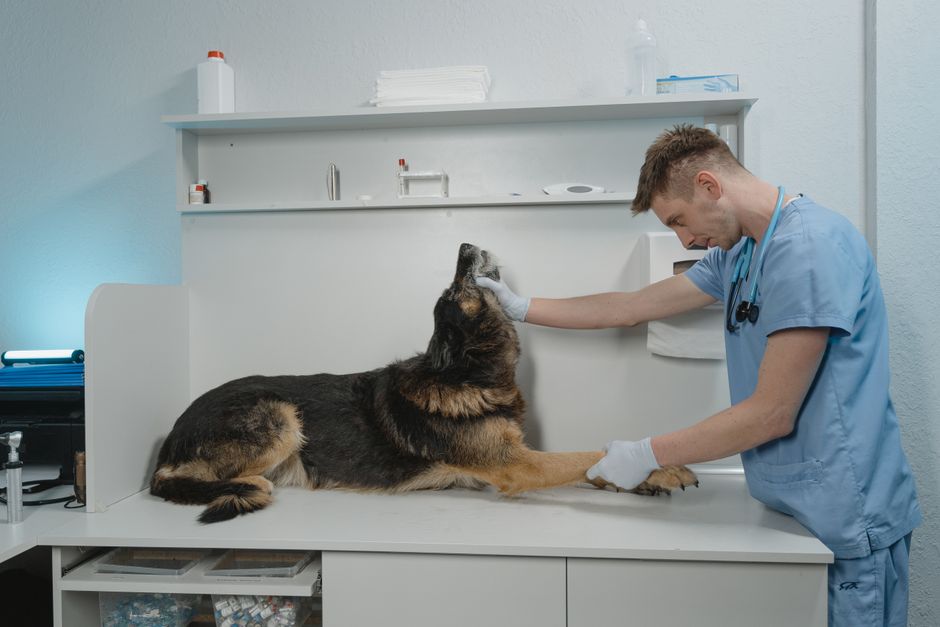
Regular veterinary visits are the cornerstone of keeping senior pets healthy, especially as they adjust to seasonal shifts. At Ridgeline Veterinary Clinic, our senior pet care services are designed to address the unique needs of aging dogs and cats throughout the year.
A comprehensive wellness examination for senior pets includes a thorough physical assessment, evaluation of mobility, dental health checks, and screening for common age-related conditions such as arthritis, kidney disease, heart problems, and metabolic disorders. Our veterinary team may recommend routine bloodwork and urinalysis to monitor organ function and catch issues early, which is especially important as pets age.
For pets experiencing joint pain or stiffness, we offer advanced options such as laser therapy, stem cell therapy, and shockwave therapy to help manage discomfort and improve mobility. Our diagnostic capabilities, including digital radiology, ultrasounds, and laboratory services, enable us to identify problems quickly and create personalized care plans.
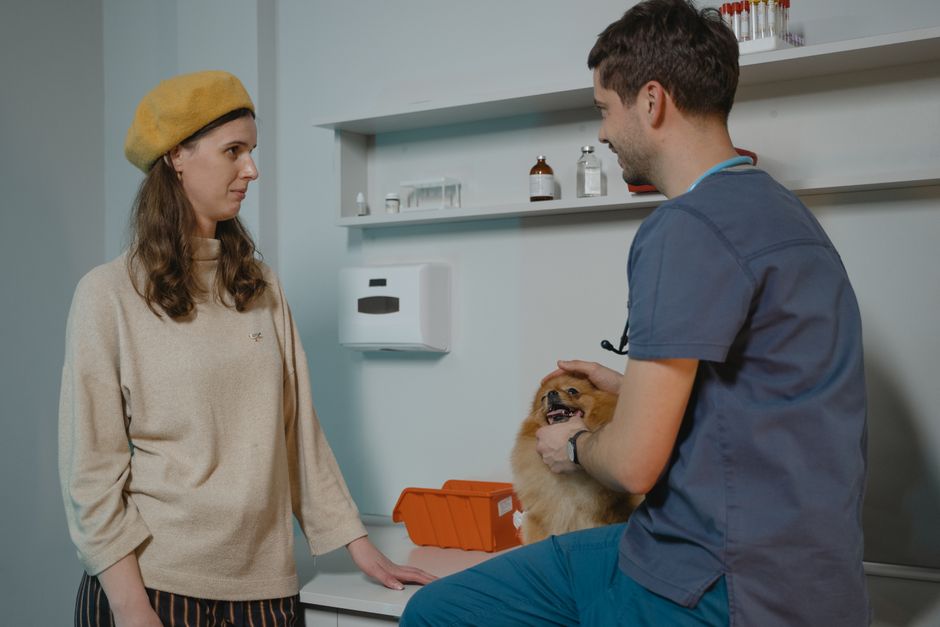
Discussing any observed changes in your pet’s behavior, appetite, or activity during your veterinary visit helps our team tailor recommendations and treatments to your pet’s specific needs. We encourage you to bring up even small changes, as early intervention often leads to the best outcomes.
Practical Ways to Support Your Senior Pet at Home This Spring
While professional veterinary care forms the foundation of senior pet wellness, daily routines and home adjustments also play a vital role in your pet’s comfort and happiness. As you look to help your older dog or cat thrive this spring, consider the following strategies tailored for the Cathedral City climate and lifestyle.
Maintaining a consistent exercise routine supports joint health and mental stimulation, but it is important to adjust the intensity and duration to match your pet’s abilities. Short, gentle walks in the early morning or late evening, when temperatures are cooler, can prevent overheating and reduce stress on aging joints. For cats, interactive play sessions and accessible climbing surfaces can encourage movement without overexertion.
Hydration is particularly important as temperatures rise; ensure your pet always has access to fresh water, and consider using pet-safe water fountains to encourage drinking. Monitoring your pet’s weight is also crucial, as even a small gain can worsen mobility issues in senior animals.
Spring is a great time to reassess your home environment for your pet’s comfort. Providing orthopedic bedding, placing ramps or stairs near furniture, and keeping food and water bowls easily accessible can all make daily life easier for older pets. For those with vision or hearing loss, maintaining a predictable layout helps prevent confusion or accidents.
Be mindful of environmental allergens and pests, which become more active in spring. Regular grooming, frequent cleaning of bedding, and keeping windows closed during high pollen days can help minimize allergic reactions. You can read more about managing springtime shedding and allergen exposure in our related post on how to prepare your pet for springtime shedding in Cathedral City.
When to Schedule a Veterinary Visit for Your Senior Pet
Knowing when to transition from home management to professional veterinary care is a crucial part of supporting your senior pet’s health. While some changes are a normal part of aging, certain signs warrant prompt attention from your veterinary team.
You should schedule a visit if your pet exhibits sudden or severe changes in appetite, weight loss or gain, persistent vomiting or diarrhea, difficulty breathing, coughing, or increased drinking and urination. Worsening mobility, pronounced stiffness, pain when touched, or lameness that lasts more than a day should also be evaluated. Behavioral changes, such as disorientation, new or increased anxiety, or loss of house training, may indicate underlying medical or cognitive issues.
If you are unsure whether your pet’s symptoms are age-related or a sign of a more serious problem, err on the side of caution and contact your veterinarian. Early detection and treatment of age-related conditions can make a significant difference in your pet’s quality of life. Our team at Ridgeline Veterinary Clinic is here to provide thorough exams and tailored care, making it easy for you and your pet to face the spring season with confidence.
For more details about what to expect during a senior wellness checkup, visit our page on veterinary wellness examinations in Cathedral City.
Spring Wellness Tips for Senior Pets in Cathedral City
Spring in Cathedral City brings beautiful weather and more opportunities for outdoor enjoyment, but it also requires extra vigilance for senior pet owners. Making small adjustments to daily routines can significantly boost your pet’s comfort and happiness.
Keeping a close eye on your pet’s behavior, appetite, and energy levels allows you to spot changes early and take action. Prioritizing gentle exercise, maintaining a healthy weight, ensuring ample hydration, and providing a comfortable home environment are all key elements of senior pet care. Managing springtime allergies and pests adds another layer of protection for your aging companion. You can find more seasonal guidance in our recent article on keeping pets comfortable in Cathedral City’s March weather.
Remember that regular veterinary checkups are essential for detecting and addressing age-related health challenges before they become serious. Staying proactive with wellness exams and preventive care helps your pet enjoy more good days throughout the spring and for many seasons to come.
Your Partner for Senior Pet Wellness in Cathedral City and Beyond
At Ridgeline Veterinary Clinic, our mission is to support you and your senior pet through every stage of life. Our veterinary professionals are committed to delivering compassionate, individualized care that addresses the unique challenges older pets face, especially during the dynamic spring months in Cathedral City and surrounding communities.
If you notice any changes in your pet’s health or simply want to ensure they are on the right track this season, we invite you to schedule an appointment for a comprehensive wellness examination or senior pet care consultation. When searching for a veterinarian near me, trust our team to provide the expertise and support you deserve right here in Cathedral City.
To schedule a visit or speak with one of our veterinarians about your pet’s needs, call us at (760) 507-1500 or stop by our convenient location at 68100 Ramon Road Suite A7/8, Cathedral City, CA 92234. For more information on our senior pet care services and how we can help your pet thrive this spring, visit our senior pet care services page.
Every season brings new opportunities and challenges for your pet. Let us help you make this spring a time of vitality, comfort, and joy for your beloved companion.
This blog is for informational purposes only and is not a substitute for professional veterinary advice. Always consult your veterinarian for specific concerns about your pet’s health.